








Observability in the age of CRA and NIS2
The entry into force of the Cyber Resilience Act imposes 24-hour notification windows for vulnerabilities. Reduce Mean Time To Detect by mapping …
The entry into force of the Cyber Resilience Act imposes 24-hour notification windows for vulnerabilities. Reduce Mean Time To Detect by mapping …

Managing dozens of documents per release creates misalignment with Cyber Resilience Act requirements. Learn how to link, sign, and compose CycloneDX …

The Cyber Resilience Act introduces direct legal responsibilities for those integrating open source components into CE-marked commercial products. …
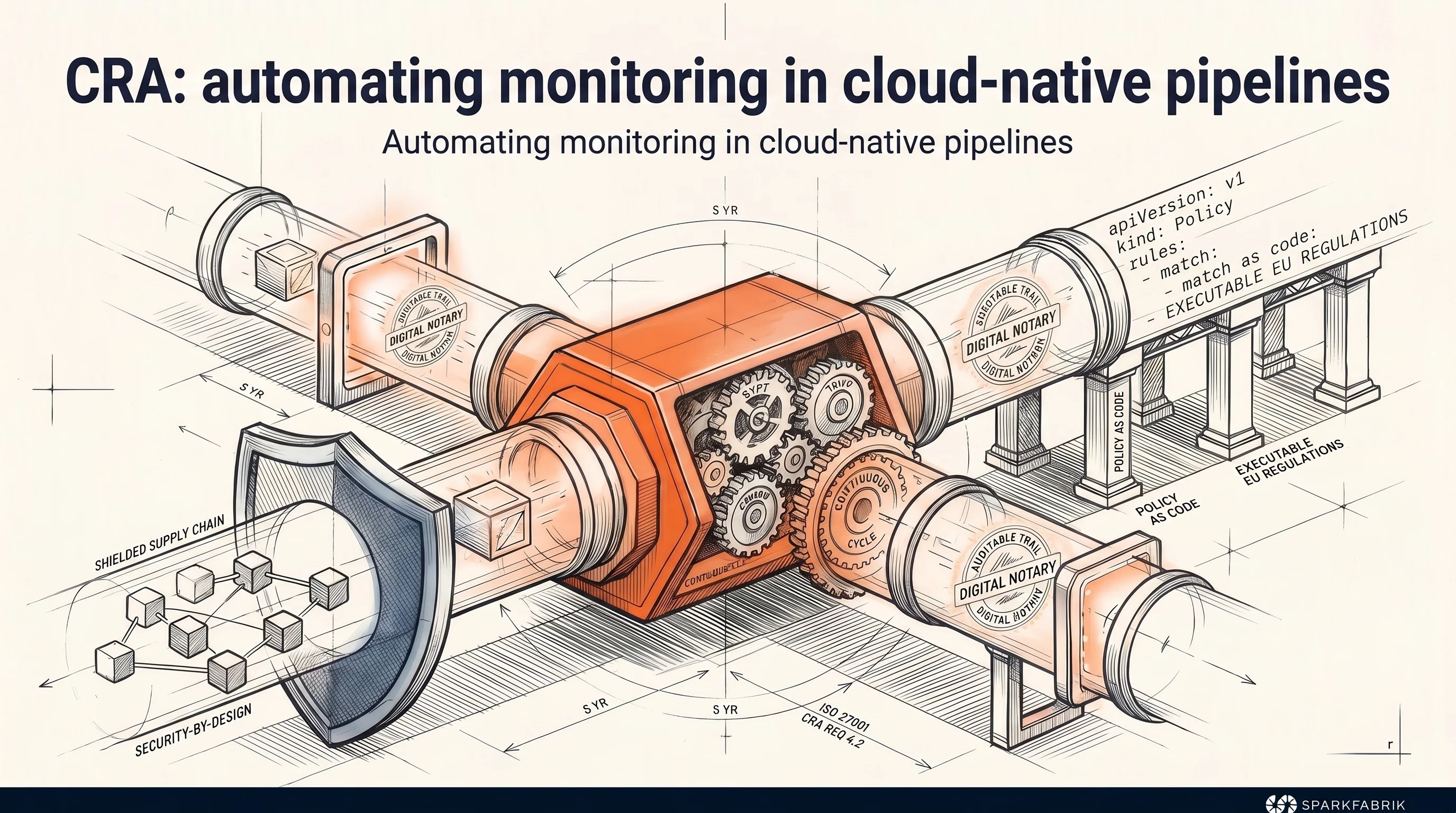
The Cyber Resilience Act transforms compliance into a continuous process integrated into pipelines. Learn how to manage the 24-hour vulnerability …

The Cyber Resilience Act mandates the notification of active exploits within 24 hours, making manual scans obsolete and risky. Artificial intelligence …
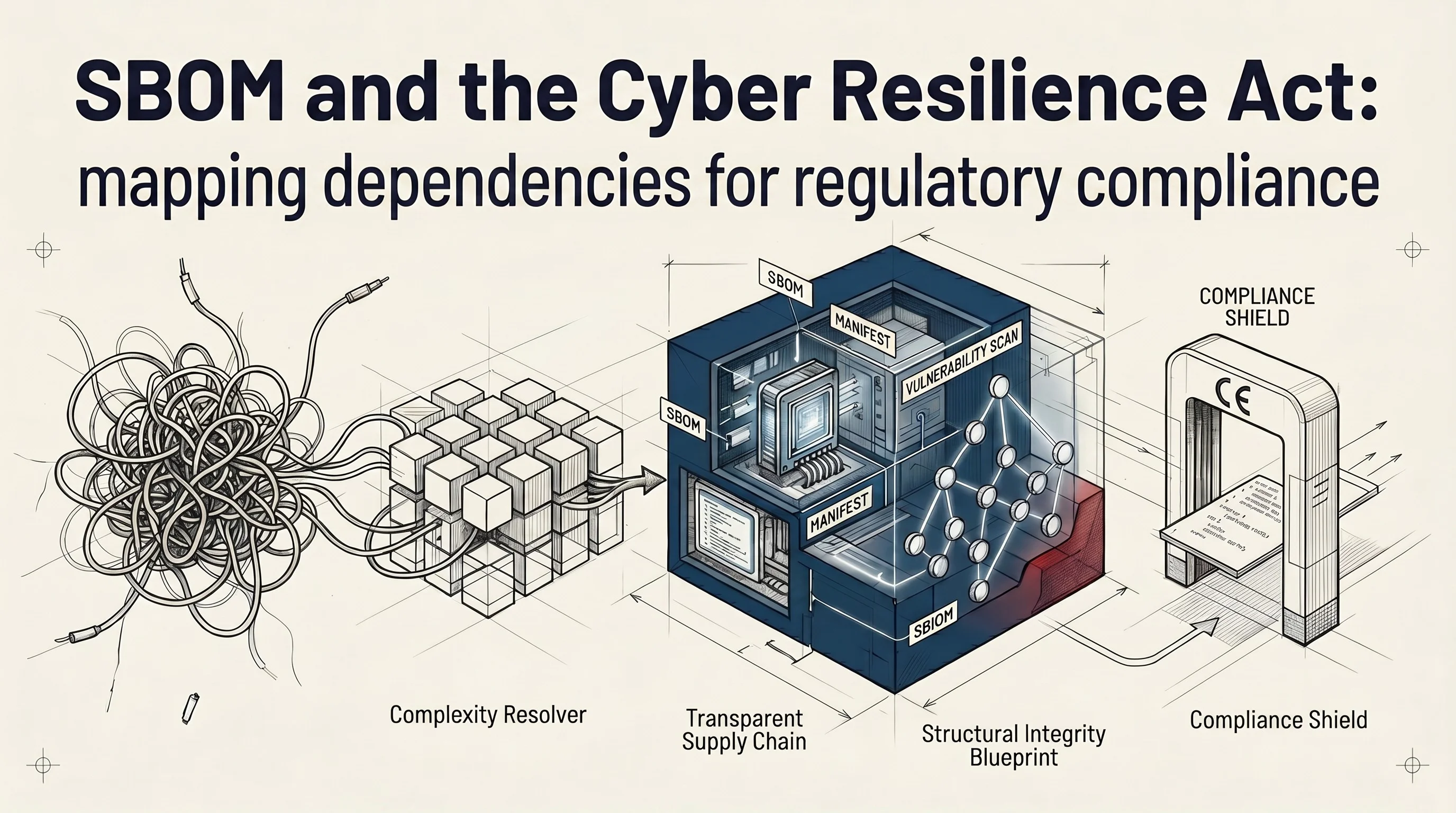
Compliance with the Cyber Resilience Act requires total supply chain visibility to avoid sanctions and trade blocks. Implementing a structured SBOM …

Systems based on probabilistic models require a paradigm shift compared to traditional deterministic monitoring. Implement observability strategies to …
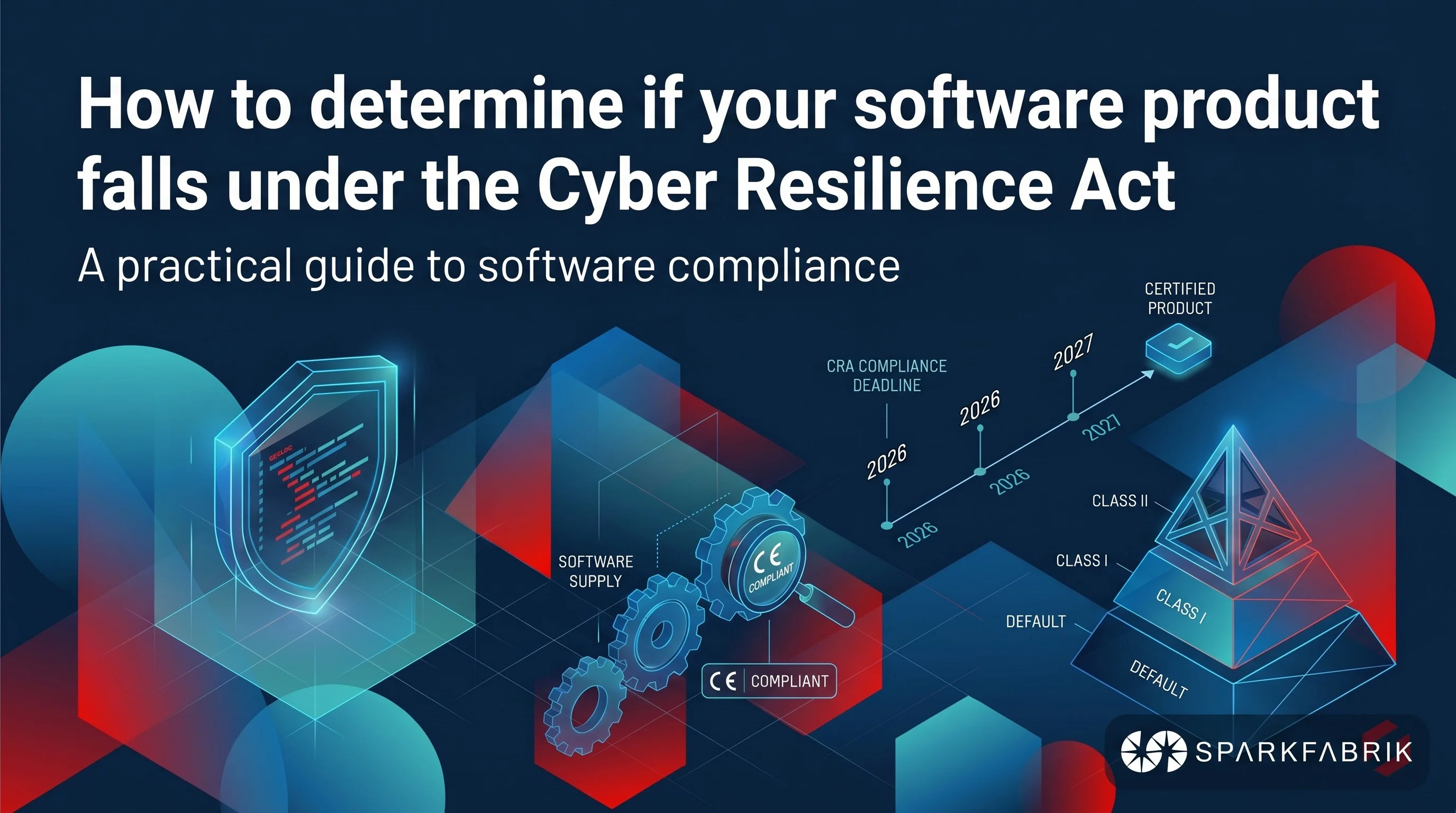
The Cyber Resilience Act imposes new mandatory security standards for anyone placing digital products on the European market. We analyze risk classes, …
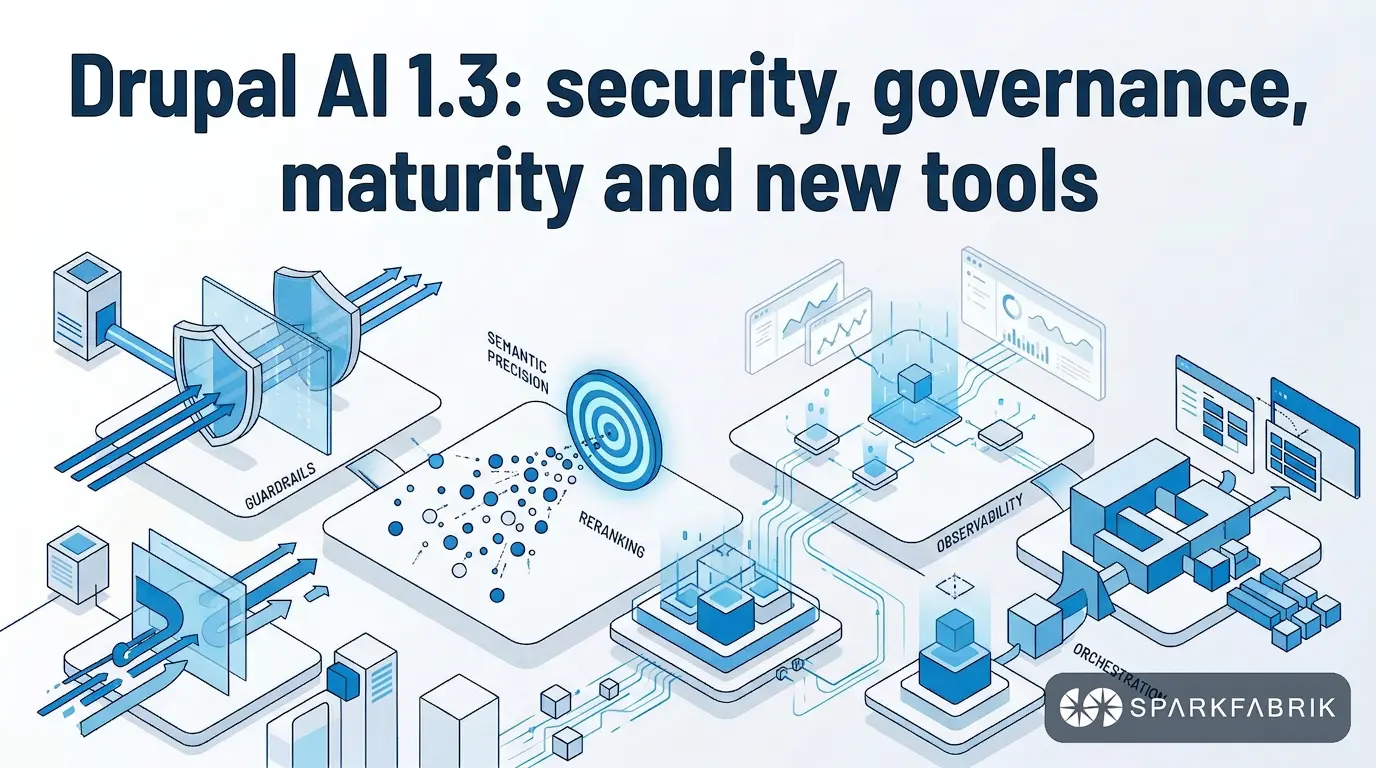
The adoption of LLMs in CMSs requires solid architectures to avoid privacy risks and hallucinations. The new release of the Drupal AI module …
Practical strategies for implementing NIS2 and DORA requirements in cloud-native architectures. DevSecOps approach and best practices for compliance.
Analysis of NIS2 and DORA and the security implications for Cloud Native architectures. Learn how they redefine cybersecurity standards!

Explore supply chain security in depth and learn how to defend your software infrastructure with practical guidance and must-see expert talks!


