








 University
Research, UX, UI and design systems alongside your developers: we decide with your users what to build, before writing code.
UX research studies how people use a service; UI design and design systems turn that into consistent, accessible interfaces ready to build. SparkFabrik is an AI Native Engineering company. Its designers work alongside developers, with the same method, for clients such as Luiss, Telethon and Caleffi.
So what we design can be built. We use Figma, Miro and Storybook, and work in phases, from the problem to delivery.
Companies that invest in design systematically outperform industry benchmarks in revenue growth and total returns to shareholders.
Research, interviews and tests tell you what to build before development starts.
Less distance between design and development teams: decisions are not lost in the handover.
A design system documented in Storybook keeps every interface consistent and accessible from the start.
From user research to the design system.
Research into users’ real needs, industry benchmarks, analytics and insights to decide.
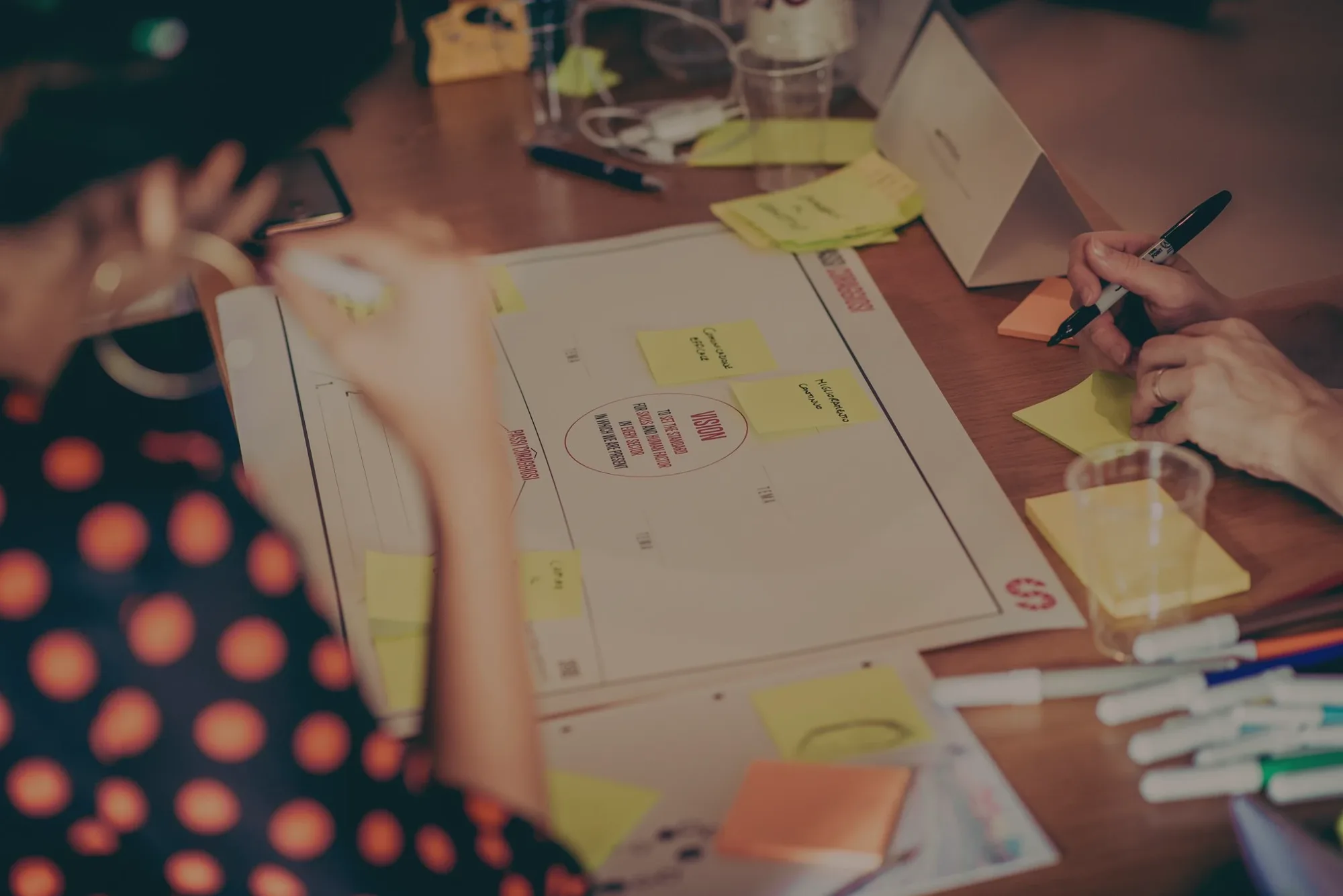
Personas, customer journeys and user stories, then wireframes and interactive prototypes to validate with users.
Information architecture and creative concept: the structure of information and the overall experience.
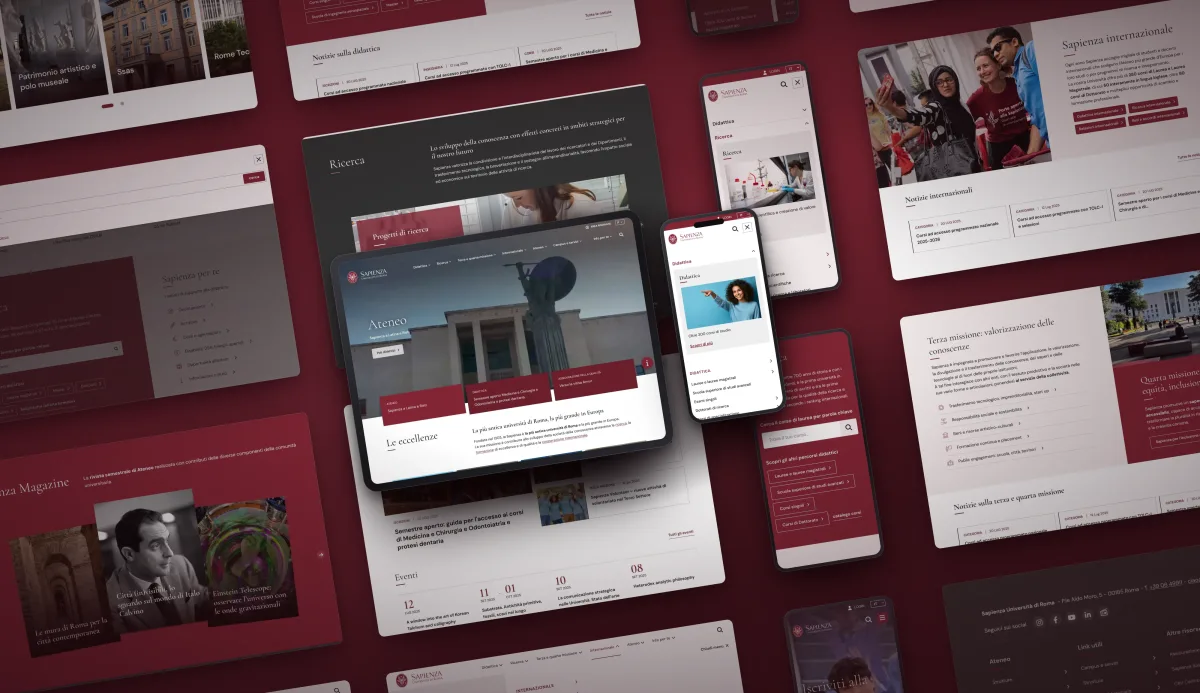
Interfaces built on a design system, with documented patterns and components.
Interfaces accessible by design, built to WCAG 2.2 AA to meet the European Accessibility Act.
University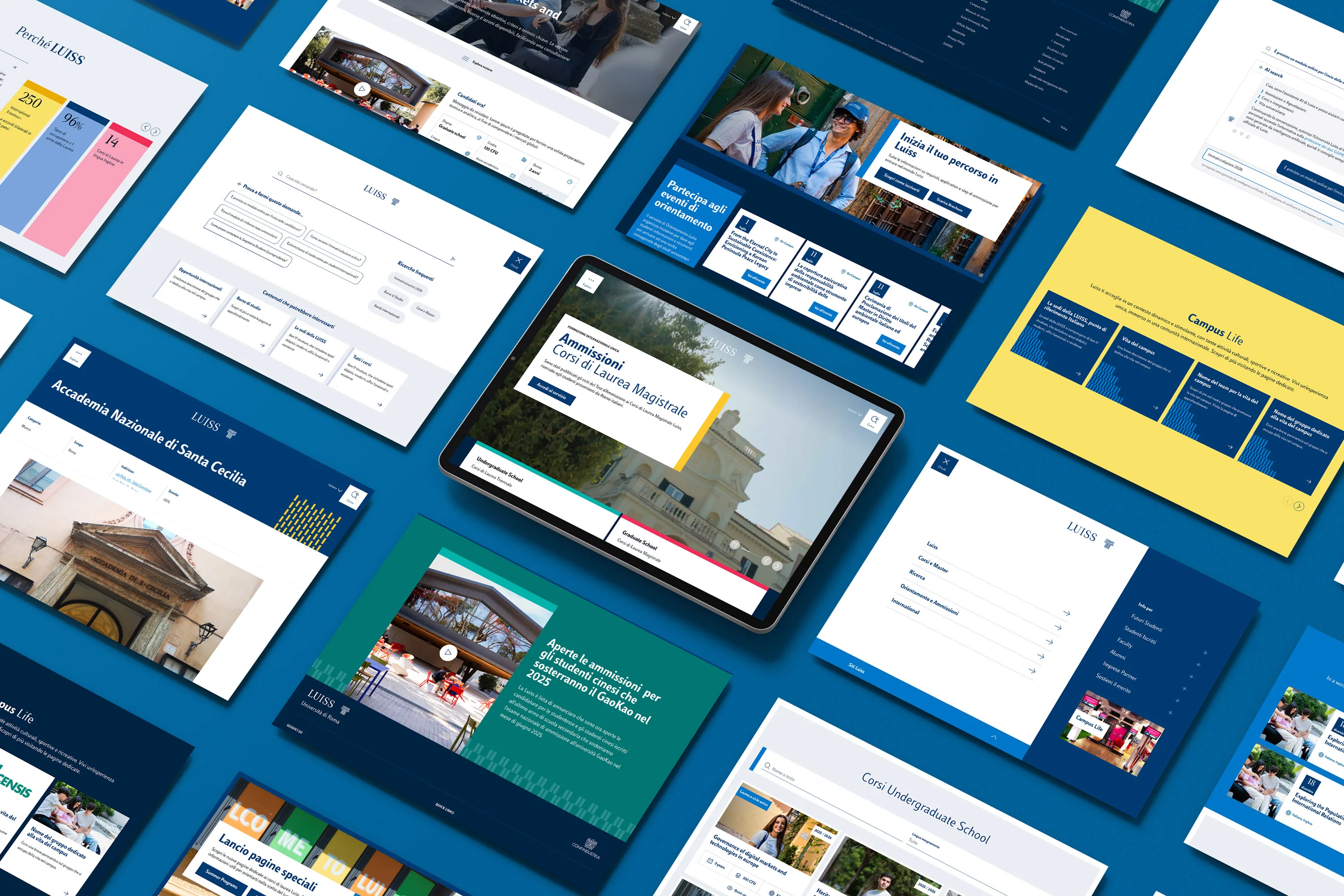
 University
−70% in content publishing time
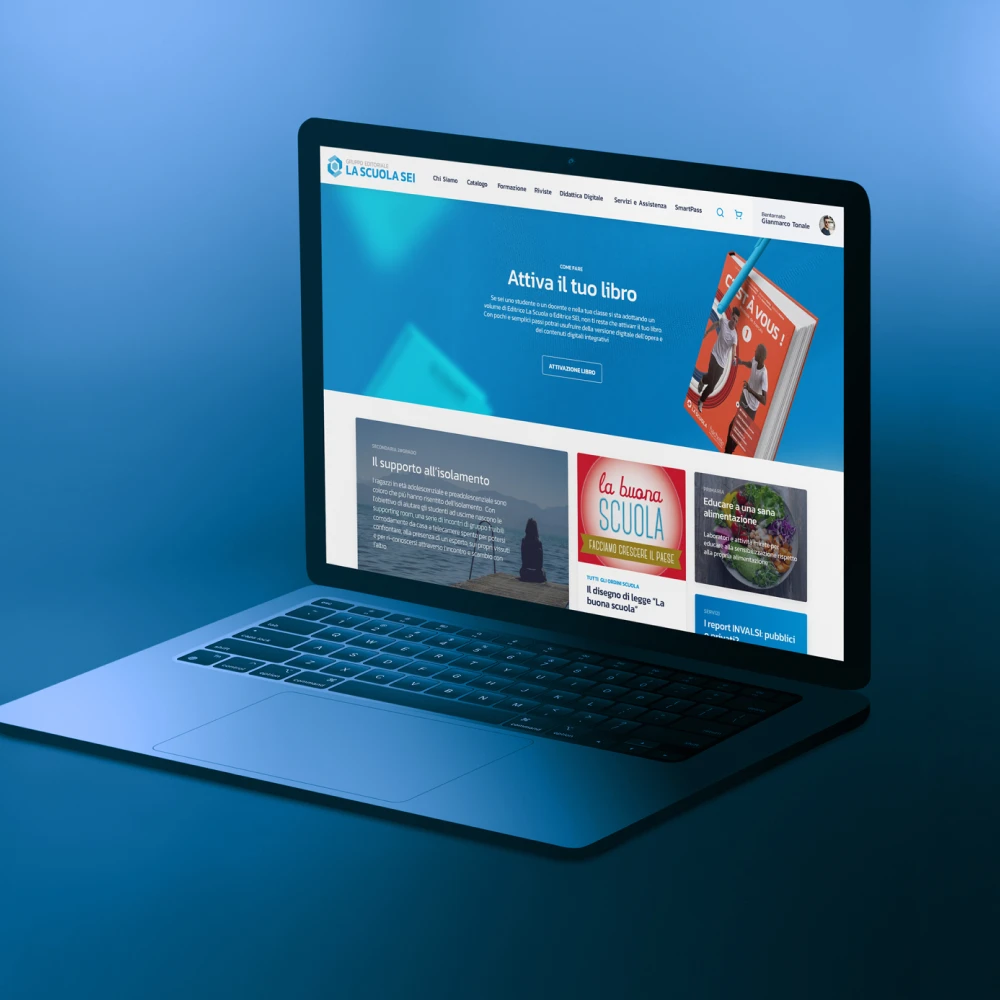
 Publishing
Problem finding, problem solution, design setting, design execution.
Benchmarks, personas and customer journeys to understand real needs; project goals and metrics.
Touchpoints and interactions defined in co-design workshops with the team and stakeholders.
Shared design patterns and guidelines.
Wireframes, prototypes and UI, built together with the development team.
In the design system AI flags inconsistencies and proposes more accessible variants; designers make the choices and Storybook stays the contract between design and code.

How to meet the requirements of the European Accessibility Act.
Download the guideAbout UX/UI Design.
Yes. In the problem finding phase we synthesize interviews, reviews and analytics with NotebookLM; in Figma AI helps us from wireframe to prototype. Designers make the choices, and Storybook stays the contract between design and code. Accessibility testing with screen readers and keyboard is done by the people on the team.
SparkFabrik has a dedicated team of UX/UI designers who work closely with developers and clients. We design user experiences for the web and mobile applications and Digital Experience Platforms of Italian and European organizations. Designers and developers work in the same team: user research becomes wireframes, prototypes and a design system in Storybook.
Costs vary based on complexity:
We discuss it in a first conversation, with no commitment.
A design system is a centralized library of reusable design and code components that ensures consistency across all of a company’s digital products. It’s important because:
We design complete design systems with documentation, Storybook and code integration.
Accessibility is an integral part of our process:
We help clients comply with the European Accessibility Act and AgID regulations for public administration.
Design and development work together like this:
Our team works in Agile sprints integrated with developers for rapid feedback.
Tell us about the product you want to design and who will use it. We will tell you which research we would start with.
Tell us about your projectUpdated
Services
Resources