
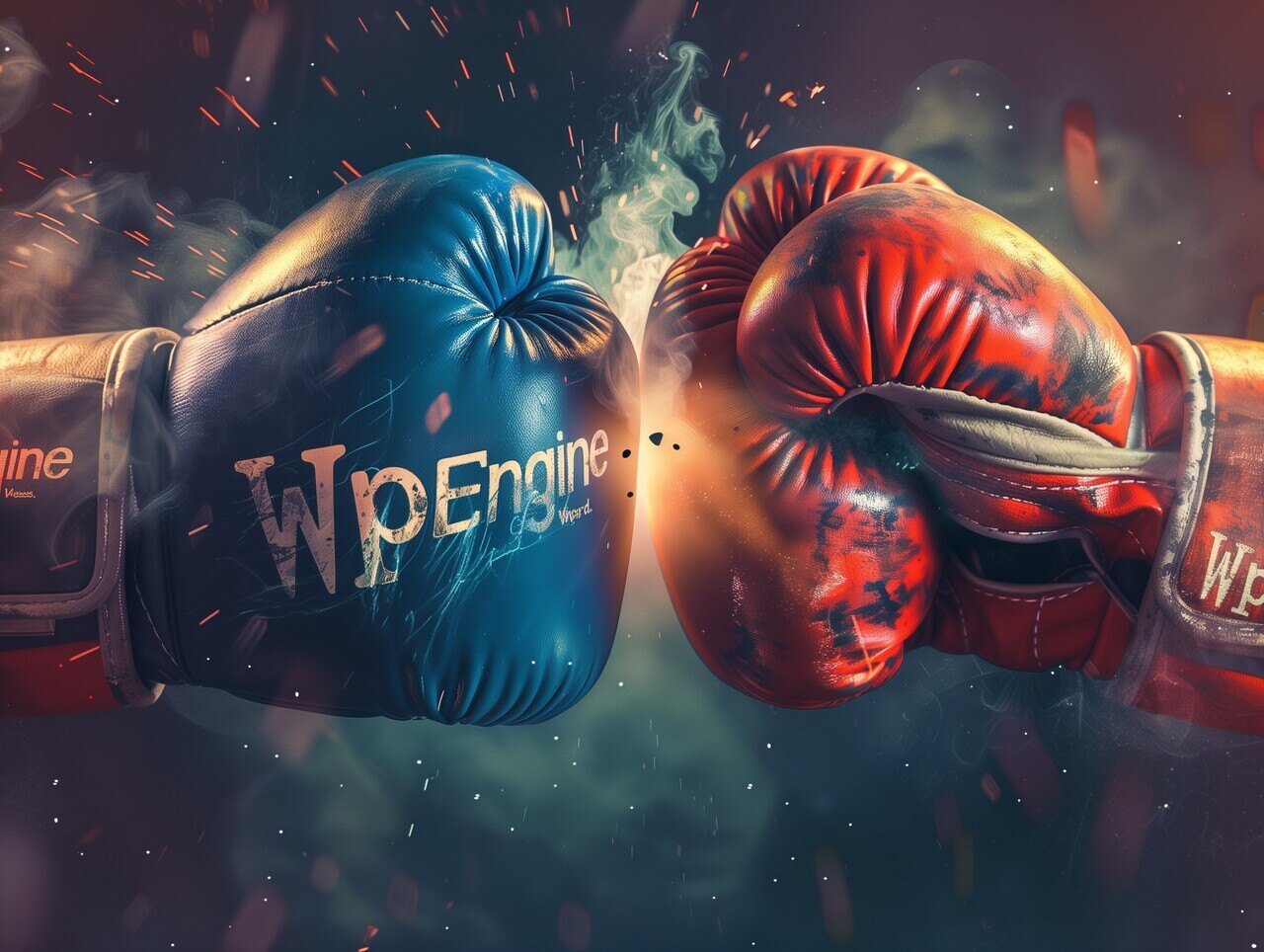
The WordPress vs WPEngine drama has profoundly shaken the open source landscape, raising doubts about the sustainability of one of the most widely adopted technologies in the world.
In this climate of confusion and animosity between the two parties, exploring secure open source alternatives like Drupal can prove to be a smart choice to ensure stability and continuity in the long run.
The dispute between WPEngine and WordPress/Automattic
In recent months, a heated dispute has been shaking the WordPress community. On one side is WP Engine, one of the leading hosting services for WordPress, and on the other is Matt Mullenweg, CEO of Automattic and co-founder of WordPress.
It all started with a scathing blog post published on the official WordPress blog, in which Mullenweg described WP Engine as a “cancer to WordPress” — literally calling it a cancer on the world’s most widely used CMS platform. WP Engine’s response was swift, with a cease-and-desist letter addressed to Mullenweg and Automattic, demanding the retraction of those statements.
From that point on, the dispute expanded to cover multiple issues, touching on trademark rights, open source licenses, and WordPress governance. The situation recently reached its peak when WP Engine decided to file a lawsuit against Automattic and Mullenweg in a California court for abuse of power.
What has been dubbed the “WordPress vs WPEngine drama” has attracted the attention of the community and the media. For those who haven’t been following the story, here are the key points of the dispute:
- Mullenweg accused WP Engine of exploiting the WordPress trademark and confusing customers into believing it was officially affiliated with WordPress.
- WordPress.org temporarily blocked WP Engine’s access to the open source resources available on the site, cutting off theme and plugin updates for WP Engine customers and leaving many sites vulnerable to security issues.
- Automattic reportedly demanded that WPEngine pay 8% of its gross monthly revenue as royalties for the use of the WordPress and WooCommerce trademarks.
- WP Engine took legal action against Automattic, claiming that Mullenweg’s company was abusing its dominant position and acting against WordPress’s open source principles.
- The controversy raised concerns among developers and business partners about how Automattic could exercise control over WordPress-based open source projects.
- 159 Automattic employees (that is, 8.4% of the company’s entire workforce) left the company.
To understand the reasons behind the WordPress vs WPEngine clash, we need to take a step back and understand how WordPress is governed.
How WordPress governance works
WordPress was born in 2003 from the collaboration between Matt Mullenweg and Mike Little, rapidly evolving from a simple blogging platform into one of the most widely used CMS platforms in the world. Today, it is estimated that 43.7% of all websites on the Internet run on WordPress.
The project is guided by two main entities:
- WordPress Foundation: a non-profit created to support the WordPress project and protect its trademark rights. Although independent, the foundation is closely tied to Mullenweg, who is its founder and one of its directors.
- Automattic:** the for-profit company, founded by Mullenweg himself, that provides the commercial services related to WordPress, such as WordPress.com. It is the main licensee of the trademark rights from the WordPress Foundation.
This structure has created a situation in which WordPress governance is heavily influenced by the decisions of Mullenweg and Automattic, sometimes generating (as in the recent WPEngine case) clear conflicts of interest.
In all of this, the open source project could not survive without the strong support of the community, with developers and contributors influencing the project through writing code and participating in discussions. At the same time, it is worth noting that a large part of the development workforce for WordPress comes from Automattic itself.
Pros and cons of the WordPress model
Despite clear opportunities for improvement in the WordPress model, the CMS benefits from a strong ability to evolve rapidly. This is precisely due to the combination of a solid base of open source developers and the support of Automattic.
However, Automattic’s strong control over the project raises concerns among some stakeholders, particularly business partners. Mullenweg’s company’s influence over the project’s direction, combined with the management of WordPress.com, has created conflicts of interest, as demonstrated by the recent WPEngine vs WordPress dispute. These conflicts could compromise the platform’s neutrality.
For the future of WordPress, it would be worth considering more transparent governance that allows for greater inclusion of the open source community, so as to find the right balance between the non-profit values of the WordPress Foundation and the business needs of Automattic.
In this regard, Drupal’s governance model — more decentralized and strictly open source — offers a successful example of how shared management can foster balanced and sustainable growth.
Drupal: an example of successful governance
Drupal was born in 2000 as an open source project for web content management. Today, it ranks in the top 5 most widely used CMS platforms in the world, with use cases ranging from simple blogs to complex enterprise websites.
Drupal’s governance is supported by the Drupal Association, a non-profit organization dedicated to promoting community growth and supporting the project’s vision: creating a web that is secure, safe, and open to all.
The Drupal Association also manages Drupal.org, organizing events and administering resources to support the project’s growth. The difference with WordPress governance is that in this case, decision-making power rests 100% in the hands of the community.
Thanks to an open system based on public issues, anyone can participate and contribute. Every change, discussion, or initiative is open to the public, enabling direct oversight and continuous feedback.
An interesting fact is that only 68% of commits received by the project were sponsored by companies. The rest is managed by volunteers, which underscores the community’s strong passion for Drupal, intertwined with the commitment of companies like Acquia and many others.
Transparency and decentralized decision-making are the cornerstones of Drupal. Since the future of the technology does not depend on a single entity, it is easier to ensure security, reliability, and long-term stability, while valuing the work of thousands of annual contributors.
Why is now the right time to switch to Drupal?
Let’s take a closer look at why Drupal is a viable alternative to WordPress, especially in light of the recent legal issues.
Drupal vs WordPress in brief
WordPress is known for its great ease of use, thanks to a wide range of themes and plugins that allow you to create websites quickly. Drupal, by contrast, is more robust and flexible, ideal for complex and scalable projects. Its modular architecture allows for a high degree of customization and control. Discover the advantages of Drupal.
Here is a WordPress vs Drupal comparison table for building websites:
| Aspect | WordPress | Drupal |
|---|---|---|
| Installation | Easy, requires just a few clicks and less than 5 minutes | More complex, requires technical knowledge |
| Nature | Monolithic | Modular |
| Ease of use | Very easy, even for beginners | More complex |
| Themes | Extensive support | Limited support |
| Plugins/Modules | Extensive support | Extensive support |
| Scalability | Can be limited | High |
| Flexibility | Medium, better suited for projects with standard requirements | High, suited for projects with highly specific requirements |
| Customization | Limited, depends on available plugins and themes | Extensive |
| Security | More vulnerable, requires constant attention due to the massive use of third-party plugins | High |
Despite having a different nature and approach to building a website, WordPress and Drupal offer similar and fully comparable possibilities.
Drupal is a future-proof solution
Drupal’s decentralized governance, the support of a strong community, and the absence of conflicts of interest make Drupal a robust, secure, and future-oriented open source technology. These characteristics ensure that situations like the one between WordPress vs WPEngine cannot occur, thus conveying a sense of stability.
In addition to future-proof governance, the project fully embraces innovation. Drupal 11, the latest version of the technology at the time of publication, delivers improved performance, optimized navigation, and advanced content management features.
The real surprise, however, was the announcement of Drupal CMS. This new option, available since the release of Drupal 11, integrates several best practices suggested by the community, such as automatic updates and a simplified interface for searching and installing modules and themes directly from the admin panel, further improving the website building experience. This effectively eliminates the usability gap between Drupal and WordPress.
Conclusions
The dispute between Automattic and WPEngine likely marks the end of an era. The chickens have come home to roost, and the highly centralized nature of WordPress governance has led to what appears to be a clear break with the principles at the foundation of the open source movement.
In this climate of uncertainty, it is time to reflect, especially considering that a technology like Drupal — a complete alternative to WordPress — offers stability thanks to a decentralized model and a strong, united community.
Is it time to consider migrating from WordPress? Learn more about Drupal, a robust, open source, scalable, and secure technology.