

Meta title: Platform engineering: what it is and why adopt it in your company Meta description: Discover what platform engineering is, how DevOps is evolving, and how AI transforms IDPs. A complete guide to accelerating corporate software development.
What is platform engineering and why adopt it in your company?
How much time do your developers waste every day configuring environments, searching for documentation, or waiting for the approval of an infrastructure ticket? If the answer exceeds 20% of their working time, your organization is burning precious resources.
Platform engineering refers to the design and development of internal toolchains and workflows. These solutions enable an organization’s teams to be self-sufficient in all software engineering activities. This practice is particularly effective in contexts where a Cloud Native development model is adopted, with the primary goal of optimizing the Developer Experience (DevX).
What is platform engineering?
Platform engineering is the discipline that designs and builds self-service toolchains and workflows for software development. Through the creation of an internal developer platform (IDP), it abstracts infrastructure complexity, reduces the cognitive load of teams, and accelerates the release of value to the market.
In 2026, this discipline has consolidated itself as the de facto architectural standard for governing the fragmentation of distributed systems. Organizations managing microservices architectures constantly face the uncontrolled proliferation of tools, known as tool sprawl. To understand the urgency of this standardization, it is useful to analyze the main trends and innovations in the Cloud Native landscape, which highlight how infrastructure management requires a radically different approach from the past.
The methodological response to this complexity is the adoption of a product-oriented approach applied to infrastructure. The platform team treats internal developers as its primary customers. The goal is not simply to provide servers or Kubernetes clusters. Instead, it is about offering a cohesive internal product that is documented and easy to consume via APIs.
A modern IDP is typically based on three architectural pillars:
- Centralized developer portal: A unified interface, often based on frameworks like Backstage. It groups the service catalog, technical documentation, and monitoring metrics into a single dashboard.
- Infrastructure automation: The intensive use of infrastructure as code approaches. It ensures that the creation of new environments is repeatable, secure, and free from manual intervention.
- Standardized templates: Pre-configured templates for the continuous integration and continuous delivery pipeline. They natively incorporate corporate security policies right from the first commit.
Implementing these pillars means shifting the focus away from reactive maintenance. It moves toward the proactive creation of golden paths that guide the developer toward corporate best practices in a natural way.
How does platform engineering work?
Operationally, platform engineering works by treating infrastructure as a software product. A dedicated team gathers developers’ requirements, selects the best tools, and integrates them into a centralized internal developer platform. This approach transforms manual operations into automated, self-service workflows.
Platform teams are no different from a normal product team in the DevOps era. The roles usually present include Site Reliability Engineers (SRE), DevOps Engineers, and Product Managers. Together, they collaborate to define technological and methodological approaches. They solve the daily problems of developers and architects by creating workflows suited to their organization.
Like any product team, they conduct internal research and solicit feedback from their users. They are also responsible for driving platform adoption. This continuous feedback loop is essential to maximize impact. It ensures a real increase in productivity across the entire organization, avoiding the creation of complex tools that no one will use.
What are the benefits of platform engineering for companies?
A company aiming to create an internal team of platform engineers can measure the success of the initiative by observing tangible factors. These include operational efficiency, cost reduction, architectural flexibility, and a better overall Developer Experience.
Efficiency and cost reduction
An organization lacking automated processes suffers a severe waste of resources. It loses time and skills on low-value-added activities, such as the manual provisioning of test environments. Conversely, complete automation offers immediate value. In projects managed by SparkFabrik, the adoption of an IDP led to a 40% reduction in operational costs related to infrastructure. Furthermore, we observed a reduction in setup times for new projects from several weeks to just a few hours.
Scalability and flexibility
When thinking about scalability, the focus is usually on an application’s ability to withstand traffic spikes. However, this need also applies to the lifecycle of product teams. The arrival of new members requires effective onboarding. Through a well-engineered platform, these dynamics are managed smoothly. New hires are operational from day one with pre-configured work environments.
Reliability and security
Standardizing software development through an IDP allows for centralized governance of frameworks and libraries. In this way, it becomes possible to block the use of insecure dependencies. It ensures that critical aspects like logging, telemetry, and secrets management are always included by default. These features are fundamental for diagnosing application performance and drastically reducing the attack surface.
Better DevX
Platform engineering gives developers back control over the technological capabilities they need. It does so without exposing them to the underlying complexity. Every developer can easily access shared resources, documentation, and templates. This approach reduces the frustration associated with internal bureaucracy. It allows teams to focus exclusively on business logic and the quality of the code produced.
How does platform engineering evolve DevOps?
Platform engineering does not replace DevOps, but represents its natural practical evolution. While DevOps promotes cultural collaboration between development and operations, platform engineering provides the concrete tools. It transforms manual interactions into self-service platforms that permanently eliminate operational bottlenecks.
In our consulting experience, we often see companies that remain stuck in an obsolete operating model despite having embraced the DevOps philosophy. In these scenarios, the operations team becomes a dispatch center for countless requests. From opening a firewall port to provisioning a database, everything goes through a ticketing system. This approach generates latency, frustration, and distracts developers from their main goal. To understand the differences and synergies with DevOps, it is essential to observe how the daily workflow changes.
With the introduction of platform engineering, the paradigm is completely reversed. The operations team no longer executes individual requests manually. Instead, it builds the APIs, portals, and automations that allow developers to serve themselves in total autonomy. If a team needs a new cluster, they do not open a Jira ticket. They simply make an API call or fill out a form on the corporate IDP.
Behind the scenes, the platform provisions the infrastructure. It automatically applies the security policies and budget limits defined upstream. This transition from a ticket-based model to an API-driven self-service model is the real leap in quality. Platform teams focus on engineering robust abstractions, while application teams gain speed and independence.
How does artificial intelligence transform platform engineering?
Artificial intelligence transforms platform engineering by evolving internal platforms from passive portals into active assistants. The integration of AI agents automates provisioning via natural language, provides intelligent troubleshooting, and applies security policies in real time, drastically reducing infrastructure configuration times.
The evolution toward the AI-augmented IDP represents a fundamental paradigm shift for corporate productivity. Until recently, a developer portal facilitated the search for documentation or the execution of predefined scripts. Today, the integration of large language models (LLMs) allows developers to declare their intent in natural language.
Instead of writing complex infrastructure configurations, an engineer can ask the IDP to set up a test environment. The AI assistant translates the intent into the correct infrastructure code, validates it, and sends it to the automation pipelines for deployment. This ensures traceability and secure state management through GitOps approaches.
The impact of this advanced automation is measurable and profoundly transformative. Data from the most mature implementations show a reduction in provisioning times from several weeks to a few hours. At the same time, the time spent searching for technical documentation is drastically reduced, going from 45 minutes to less than 5 minutes per query. To delve deeper into the impact of these dynamics, it is useful to explore the role of artificial intelligence in revolutionizing DevOps practices.
However, the adoption of generative AI brings with it the risk of Shadow AI. The use of unapproved intelligent tools can indeed compromise corporate data security. This is where the crucial role of the guardrails provided by platform engineering comes into play. The platform offers isolated sandbox environments and applies rigorous policy as code rules.
The three main use cases of AI within a modern IDP are:
- Automated and intent-based provisioning: Translating natural language requests into infrastructure templates ready for deployment.
- Intelligent troubleshooting: Predictive analysis of telemetry to identify anomalies in clusters and suggest targeted solutions.
- Dynamic security governance: Automatic review of AI-generated infrastructure code to ensure compliance with regulatory constraints.
Platform engineering: some success stories
A success story that led to the creation of an internal developer platform is SparkFabrik’s project for Centro Medico Santagostino. This Italian company manages a network of clinics offering a wide range of high-quality specialist services at an accessible price.
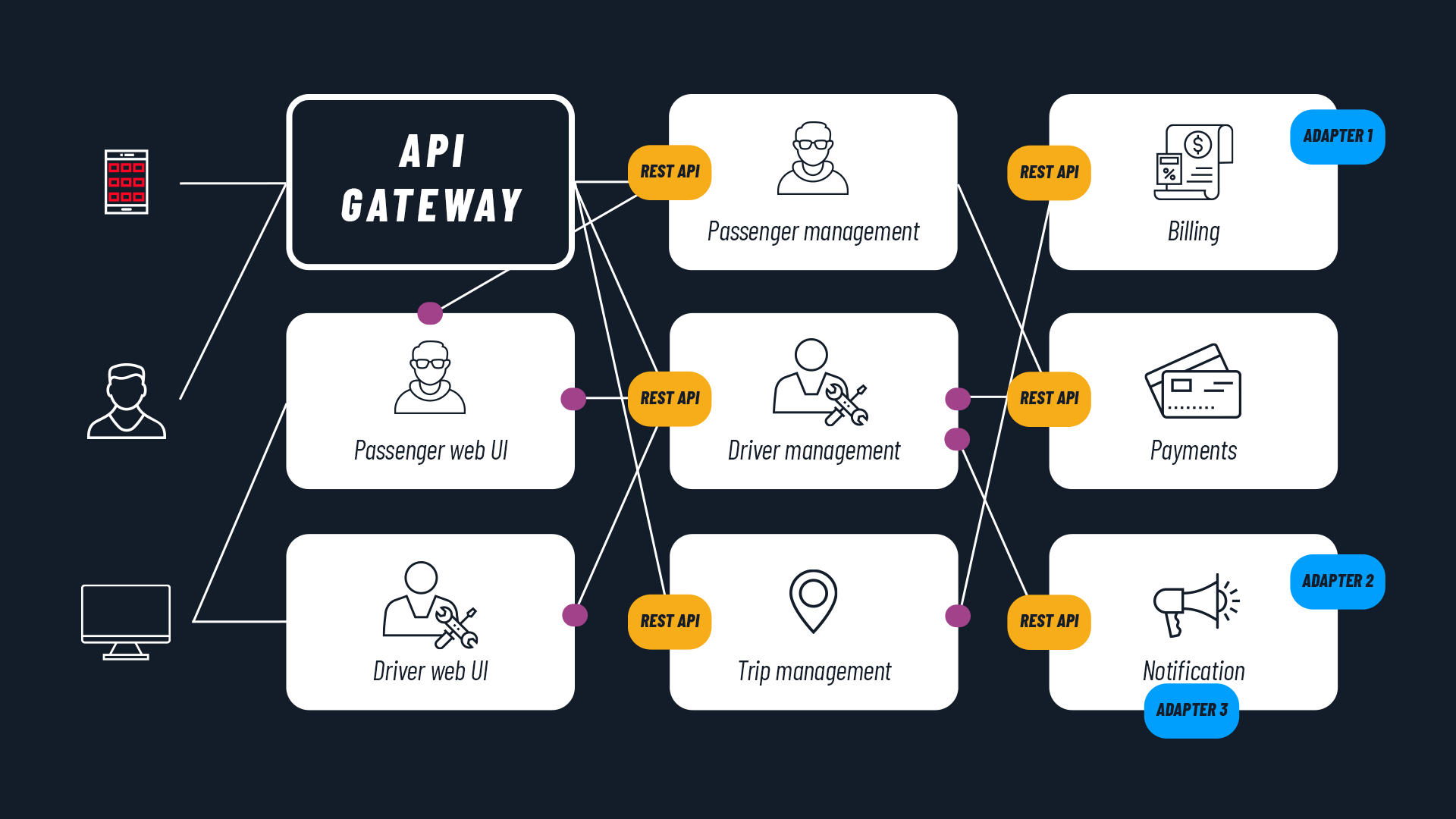
The challenge in question involved standardizing and organizing the way internal digital services operated. This transition addressed two fundamental aspects. The first was to create an IDP to centralize services and documentation. The second was to implement a series of interconnection services to facilitate communication between the main internal products.
With a solution based on the AWS and Backstage technology stack, the project drastically sped up development. Following the platform’s release into production, the rollout of new services and features required only three months of operation.
Conclusions
Platform engineering represents an essential strategic element for organizations that want to scale their IT operations. By building solid internal platforms, companies can increase the efficiency of their development processes. At the same time, they guarantee high standards of security and reliability.
Setting up dedicated teams allows for a drastic reduction in time-to-market. Platform engineering is the next maturity step in a modernization journey. It transforms agile principles into concrete tools and enables the secure adoption of new Cloud Native and AI-augmented technologies. If your organization is facing challenges related to infrastructure complexity, exploring tailor-made DevOps and platform engineering consulting services is the first step to truly accelerating your business.