

One of the biggest concerns for companies embarking on a digital transformation journey is that the project may go off the rails, stall, or even drag on for months and months without ever truly delivering the expected results.
It was the CIOs, CTOs, and digital transformation managers we have worked with who shared their most recurring fears: will the application meet all the requirements? Will I be able to get the new solution accepted within the company? Will the developed web product actually improve performance or user experience and deliver a return for the business?
Over the years, we have listened to our clients and built our answer to all their concerns. A single, streamlined workflow that covers the entire process: from the first handshake all the way to production deployment. And beyond.
We have organised our offering into three phases:
- discovery, to understand the client’s needs and co-design the process;
- transformation, to work in an agile manner suited to the needs and objectives;
- management, to work proactively and together towards growing the investment.
Let’s look at each one.
Discovery: defining the objectives
As obvious as it may seem, the first step to obtaining a web product that meets expectations and satisfies initial requirements is a clear and shared definition of objectives. We do this with a co-design and co-planning workshop using the User Story Mapping technique. It is an activity based on the concept of User Story, a format that allows requirements to be expressed from the end user’s perspective. By telling the user’s experience as a story, using the most natural language possible, the process helps to understand needs and share the steps required to build the product that delivers the greatest possible value for users, while balancing the cost-benefit ratio.
In our experience, starting a project with a User Story Mapping workshop helps reduce internal disputes within the company, as all stakeholders are involved from the very beginning. Furthermore, at the end of the workshop you get a clear list of the web product’s specifications, along with an Agile plan for their development: this means activities and timelines immediately become manageable and well defined.
Transformation: flexible and rapid development
In this phase, we work on the points defined during the Discovery process. Thanks to the analysis carried out previously, we know how to organise ourselves. We create the multidisciplinary team dedicated to the project with the necessary skills and choose the most suitable cloud infrastructure.
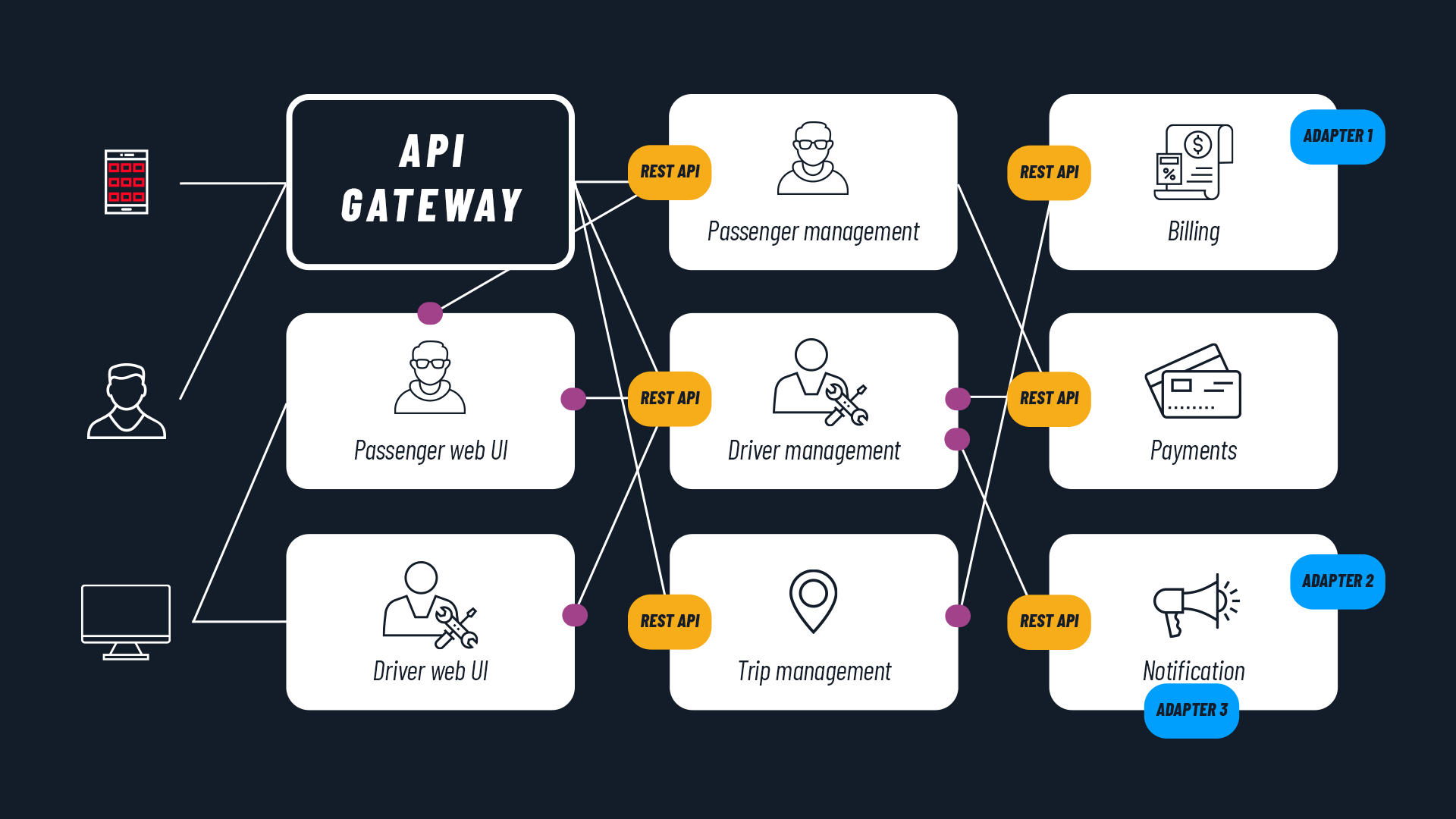
Our working method involves the use of DevOps practices on applications designed in a Cloud Native way. The Cloud Native approach enables redesigning enterprise applications more efficiently, using more modern and less expensive platforms and languages that guarantee scalability, resilience, and flexibility. All while strongly considering the existing legacy within the company: there is no sharp break from processes already in place, because we design a strategy to ensure an effective transition putting business continuity first.
The DevOps working model allows us to adapt to change with frequent releases and with metrics capable of measuring the effectiveness of actions. Bugs are fixed faster, new features can be added quickly, and user feedback can be gathered almost instantly. The scalability of the infrastructure, which is fundamental to ensuring the expected business results, is designed and calibrated to manage the work with ease and maximum automation.
READ MORE: What is DevOps?
Management: proactive and systematic maintenance
Many clients are frightened by the idea that, after the product goes live, the supplier may abandon them. This is no small inconvenience, not only regarding the possible fixes needed once the application is actually released, but above all because it would be impossible to gradually optimise the developed solution based on real data. In other words, the opportunity to get the most out of the web product and truly make the investment pay off would be lost.
This is why we consider our presence after the product release a fundamental part of our methodology. We take care of optimising and evolving what has been built, helping every client seize market innovations and new trends.
Conclusion
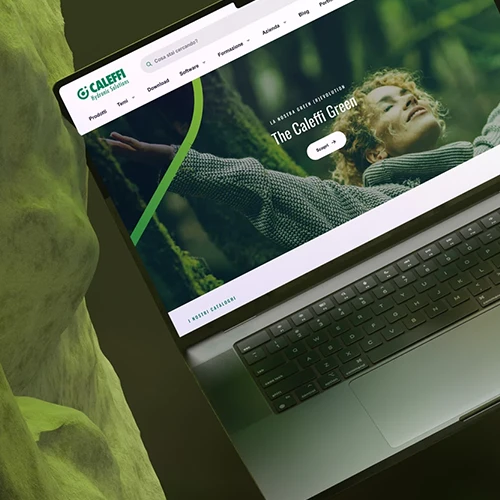
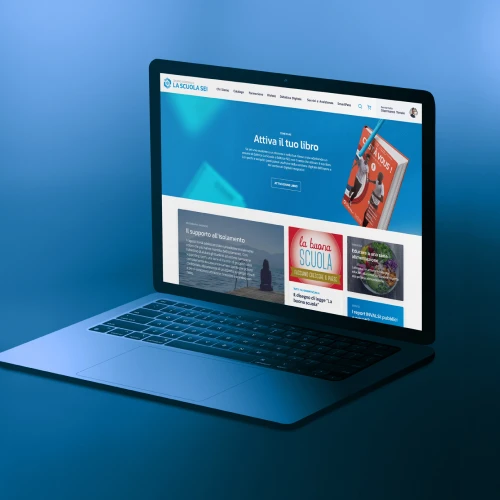
The approach described has allowed us to successfully complete numerous projects for leading companies in their sectors. From Caleffi, which wanted to optimise its presence in China with a Multi Cloud infrastructure, to Zambon, which now has a Cloud Native web ecosystem managed with a single Design System and a Multi Cloud infrastructure spanning East and West. From Fiscooggi, which needed to improve the usability of the publication managed directly by the Italian Revenue Agency, to Ilgiornale.it, a historic newspaper that achieved significant improvements in its Multi Cloud environment thanks to the Cloud Native approach.