





Multi-cloud architecture: pros and cons
Multi-cloud architecture is a rapidly growing market. Here’s how to evaluate whether to adopt it in your organization.
Multi-cloud architecture is a rapidly growing market. Here’s how to evaluate whether to adopt it in your organization.

Site Reliability Engineering (SRE) aims to make software development processes more reliable. Here are 6 best practices to know and implement.
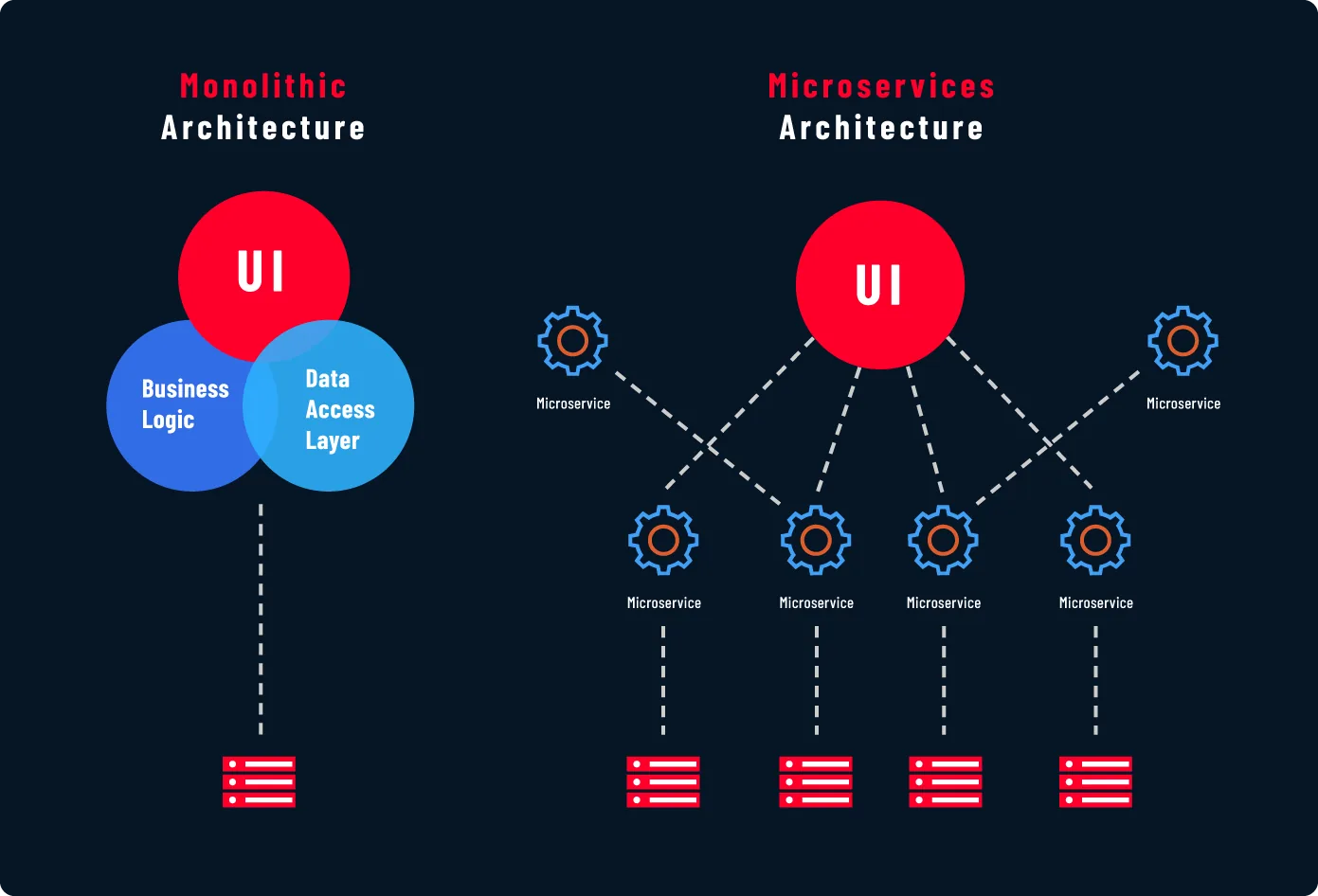
Choosing a microservices-based structure and a Cloud Native application brings with it various advantages in terms of resilience, speed and …

Serverless architecture ensures flexibility, security and a faster time-to-market. Here is a practical guide on the pros and cons for your business.

DevSecOps makes security an integral part of DevOps, embracing the concept of "Security as Code.'' Let’s dive into some DevSecOps best practices!

From optimizing IT Costs to scalability, without foregoing flexibility and enhanced release times: the key benefits of the Kubernetes system.
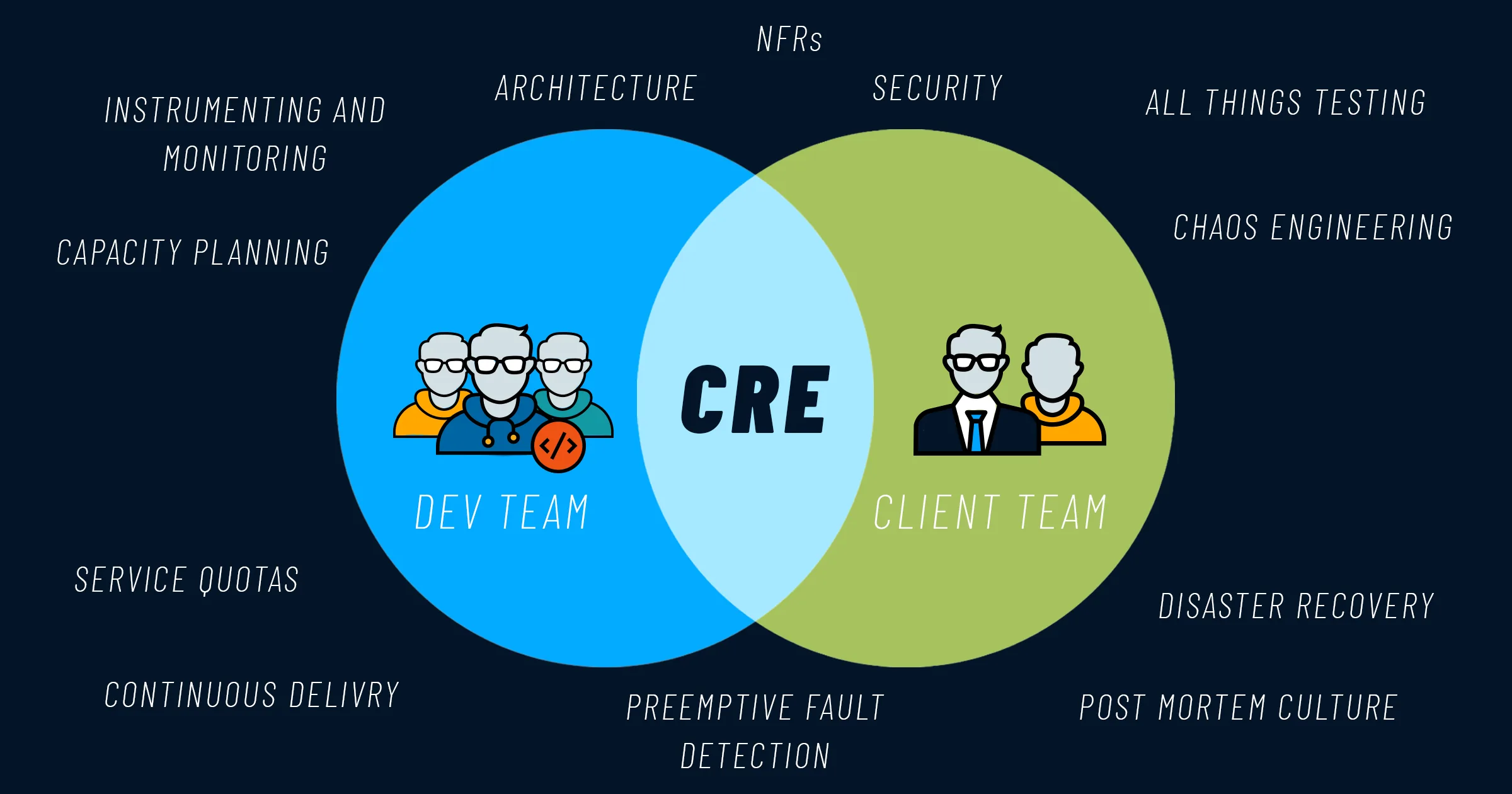
How to implement SRE? In some cases the ideal choice is to opt for a CRE (Customer Reliability Engineering) service: here is what it is and how it …
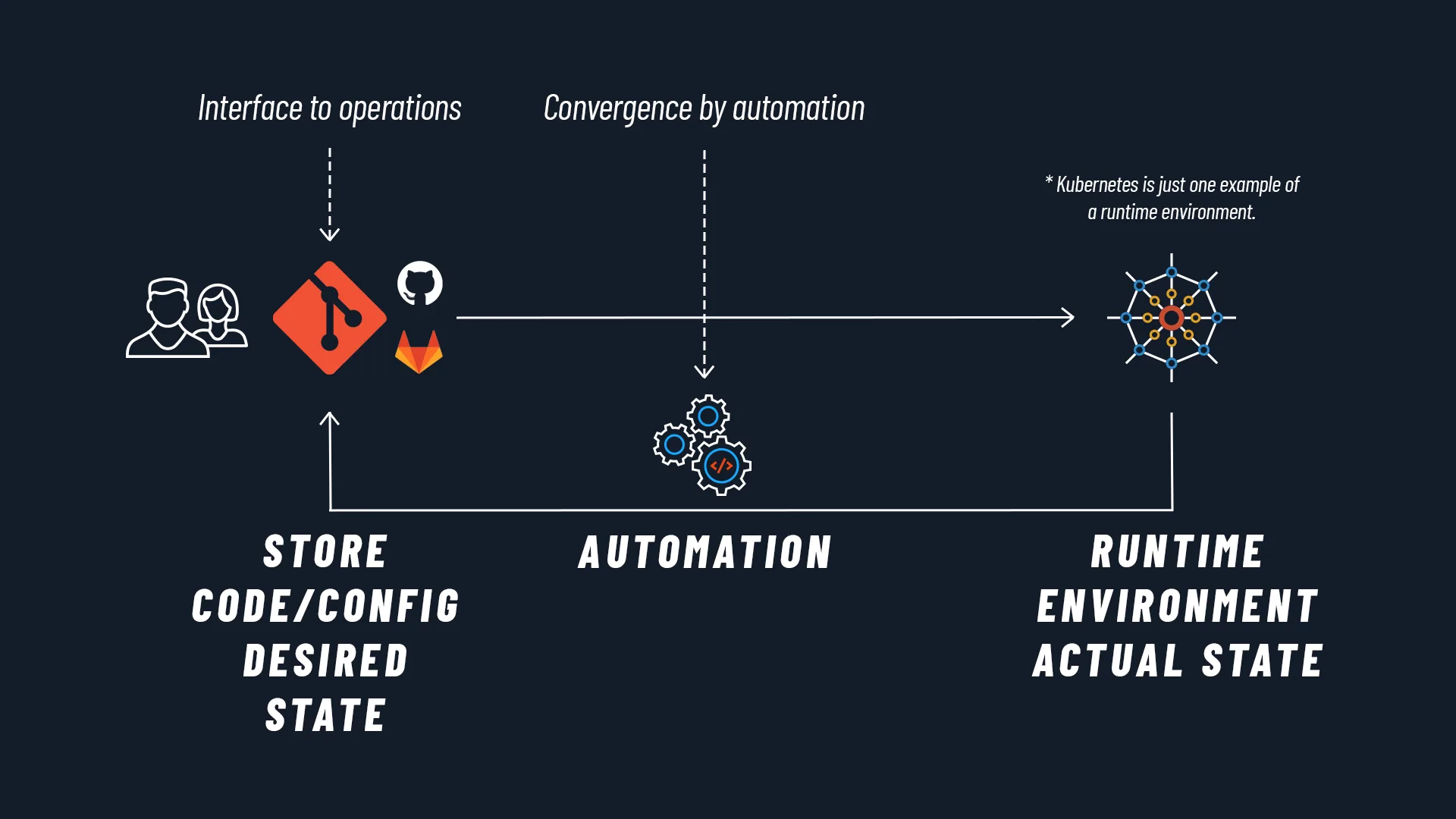
GitOps is a paradigm for implementing CI/CD in Cloud Native applications. Here's how it originated, how it works, and which companies should consider …
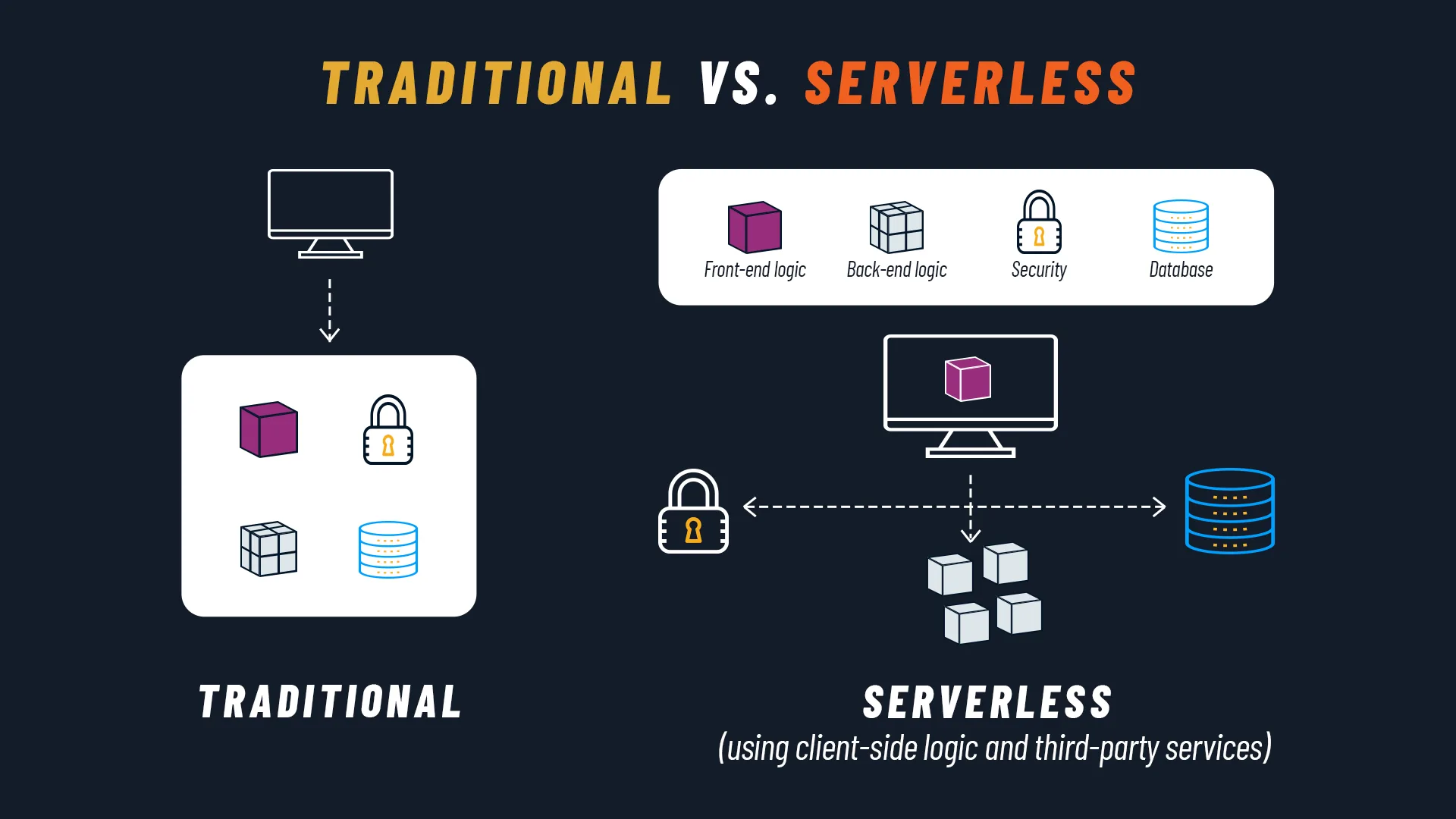
What is serverless computing? A comprehensive overview of the paradigm that frees you from server management. Definition, benefits, and case studies.

A decoupled architecture separates content management from the frontend, improving Core Web Vitals and flexibility. Discover why you should evaluate …
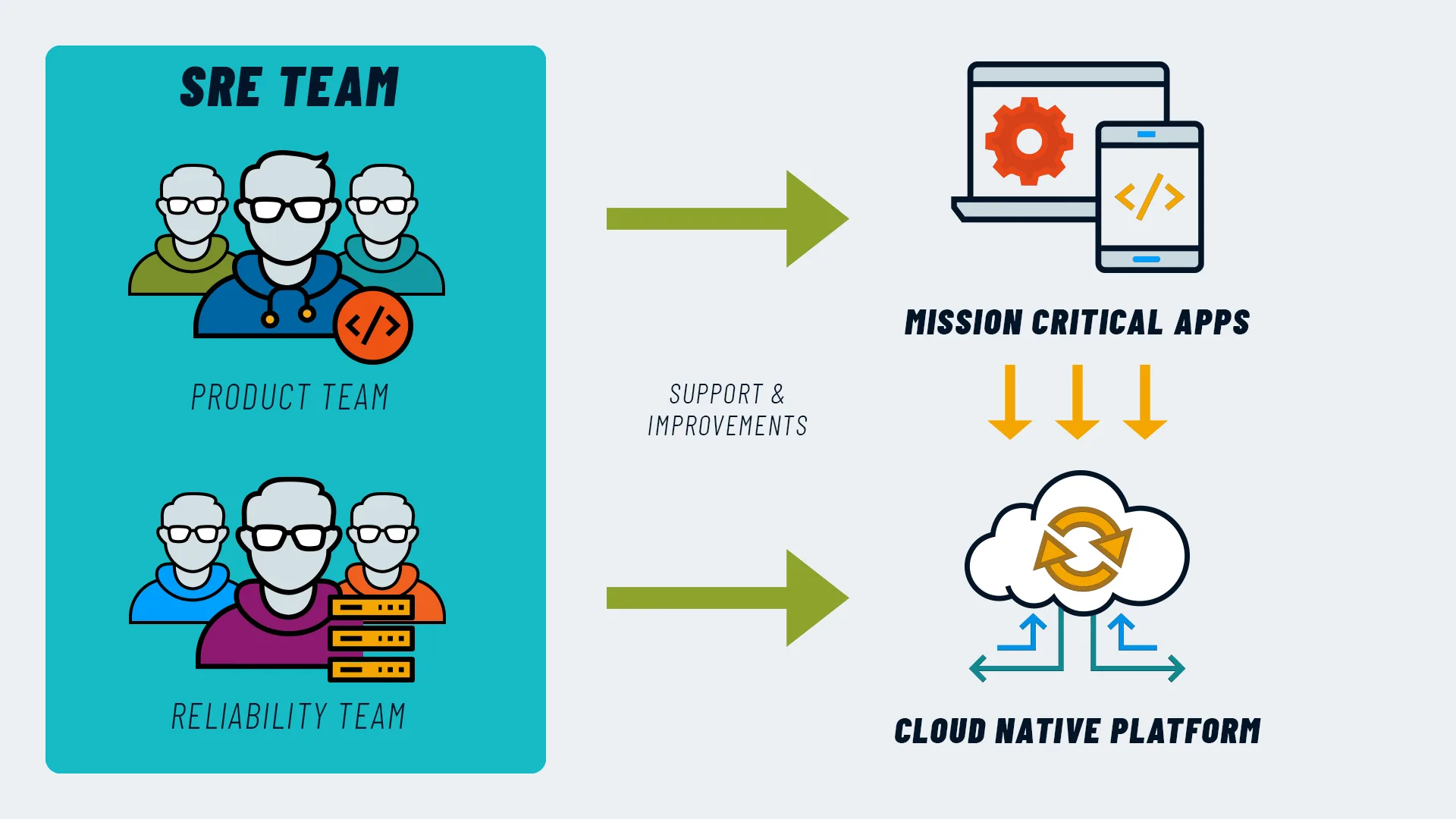
Site Reliability Engineering (SRE): what is it about? What are the benefits for organizations that adopt its practices? Here's what you need to know.
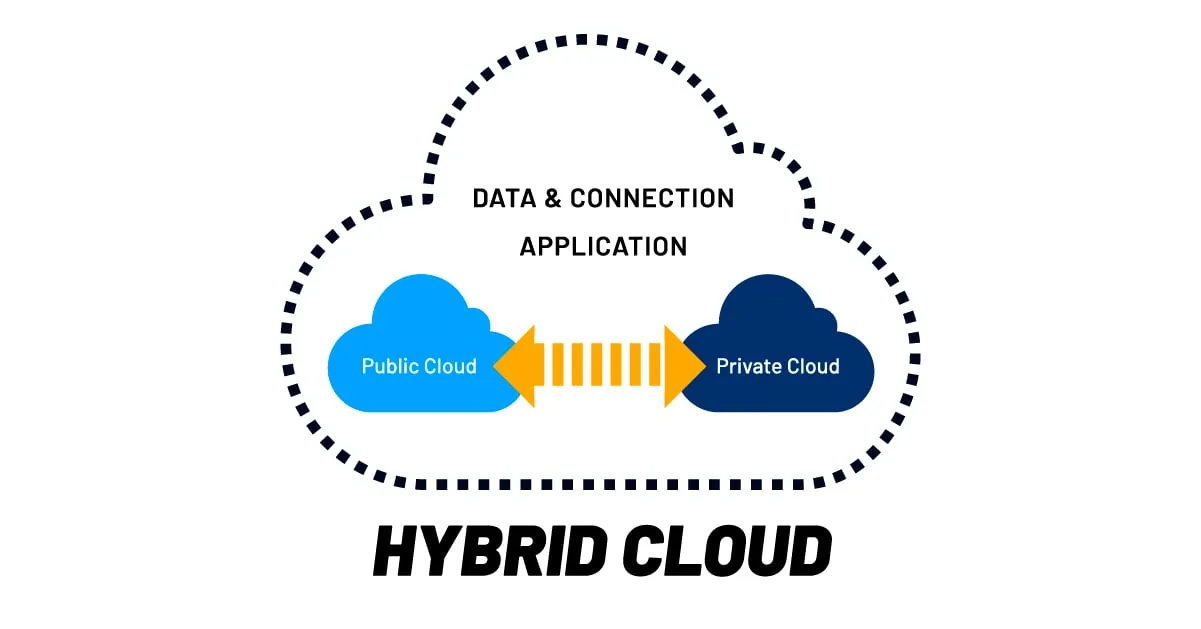
Hybrid cloud is an architectural system that combines at least two private and/or public cloud solutions. Let's understand why it's strategic for …


