


The adoption of cloud platforms offered by vendors such as Microsoft, Amazon and Google is increasingly prevalent. However, many companies have realized that relying entirely on a single cloud provider carries a significant risk in terms of service availability and resilience, exposing the organization to potential single points of failure.
The most obvious solution to this problem has led organizations to adopt multiple cloud platforms simultaneously, with a mix that varies based on the type of cloud services each platform can offer. This strategy, known as multi cloud, brings with it the benefit of greater resilience and healthy competition among cloud providers.
However, heterogeneity inevitably introduces challenges affecting the day-to-day work of IT and operations teams. Teams now find themselves having to govern and monitor platforms and solutions that are distributed not only geographically, but also across different Cloud Vendors which, out of practical necessity, must also be able to communicate with the on-premise world. These conditions make it essential to design and implement a multi cloud orchestration that takes the organization’s needs into account.
READ ALSO:Eight Cloud Native predictions
From containerization to multi cloud orchestration
Microservices architectures are often directly associated with the concept of containerization. However, the idea behind containerization stems not so much from the separation of traditional monolithic applications into simpler, autonomous and atomic domains, but rather from the increasingly pressing need to simplify processes through the standardization of the most demanding operational tasks, such as software deployments and workload migrations between systems and external providers (multi cloud workload).
Containers, the smallest unit of this approach, are managed by orchestration platforms (such as Kubernetes services offered by cloud vendors) that can reside both on public cloud and on-premise infrastructure, thanks to different types of installations.
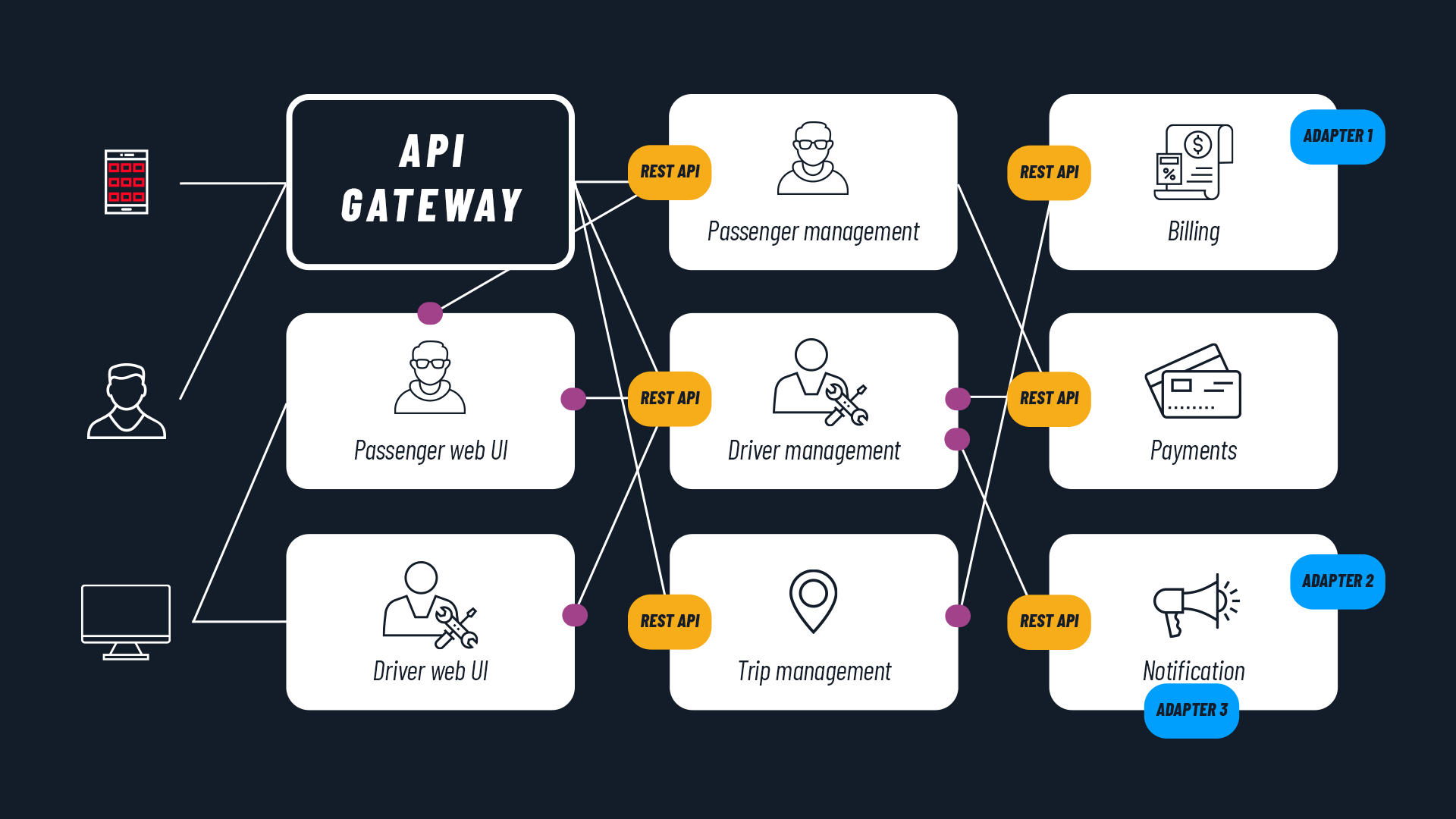
But how does the transition from containerization to multi cloud orchestration happen?** Through specific software solutions that leverage each product’s proprietary APIs and thus act as the glue between technologically different worlds, masking every type of complexity from the end user.
To take the first steps toward a more complete multi cloud orchestration, it is therefore necessary to extend your toolchain** — in terms of the operating model and reference architectures — from scripting/coding components all the way to the target orchestration platform. All of this in order to support different cloud providers and, consequently, their inevitable differences.
Hybrid vs multi cloud orchestration: differences
Both “multi cloud” and “hybrid cloud” refer to types of implementations (not necessarily final, but also transitional, as often happens in Cloud Transformation projects lasting more than a year) that integrate more than one cloud provider. The two terms refer to different types of cloud infrastructure. In fact, a hybrid cloud infrastructure combines two or more different types of cloud (for example AWS and a private data center), while multi cloud combines different clouds of the same type (such as AWS and Microsoft Azure). There are slight but substantial differences between the two models, including:
- Vendor lock-in: It is relatively straightforward to adopt one public cloud over another, since the type of services and the cloud providers themselves tend to offer complementary services and compete on other distinguishing factors. In the case of hybrid cloud, a private vendor will tend to make itself indispensable to maintain the commercial relationship.
- Costs: The business scale of public cloud platforms enables more competitive pricing compared to private clouds, or more simply compared to the costs a company must bear when managing its own data center.
- Availability: Redundancy, reliability and scalability are the greatest strength of public clouds, hardly comparable to what private players can guarantee with their own staff and national footprint.
READ ALSO:**How to build a Cloud Native application
Pros and cons of a multi cloud strategy
As we briefly mentioned, the advantages of a multi cloud strategy are numerous and mainly lie in greater resilience, reliability, and interoperability with the broader Cloud Native ecosystem, along with less lock-in and the ability to leverage the best of each cloud provider.
However, the flip side of the coin is the metric that must be carefully evaluated to determine whether this type of choice is the winning one in the context in which we operate. The typical challenges of a multi cloud strategy are:
- Increased architectural complexity of our applications, which become more “distributed.”
- Disaster recovery planning activities must account for the SLAs/outages of each cloud provider.
- Excessive growth in the skills required by operational teams for management and monitoring.
- Management of permissions and security roles within each individual cloud provider and across cloud providers, with the associated need to define liaison roles between the two worlds (and therefore with potentially overly broad privileges).
- Choosing the most suitable multi cloud management tool capable of providing a clear view of what is happening across the various environments.
The challenges of multi cloud orchestration
For all organizations that have carefully weighed the pros and cons of a multi cloud strategy, multi cloud orchestration is the next challenge to address, in line with what was previously specified in the advantages and disadvantages analysis. The challenges an organization must be ready to overcome in this context are:
- Underestimated strategic value: Being a highly technical topic, multi cloud orchestration is often not given the proper value. Consequently, aspects related to orchestration may not be sufficiently considered within a strategy involving multiple cloud vendors, with the risk of negatively impacting the transformation process.
- Skill Gap: Corporate teams are often unable to operate simultaneously across the various chosen cloud platforms.
- Integration: Complex technologies are needed to enable comprehensive multi cloud capabilities.
- Ways of Working: When implementing new technology solutions, it is important for companies to pay attention to helping their employees cope with changes in processes and their ways of working. If organizational change management is neglected, people will naturally revert to what they know best. This means they will continue to work based on the previous legacy operating model.
- Budget: Orchestration reduces IT costs by improving the speed, resilience and Developer Experience of the DevOps team. However, since it is not easy to convey the value of purely technological improvements, it can be difficult to maintain or expand the budget allocated to these types of initiatives.
Multi cloud adoption in Italy
In Italy, according to a report by the Cloud Transformation Observatory, multi cloud is a consolidating trend. 44% of organizations adopt this type of configuration, an increase compared to 2021, especially regarding Software as a Service solutions, now widespread across all large enterprises and based on an average of four different cloud providers, with the goal of ensuring the most suitable application mix to meet the functional needs of the business.
As for infrastructure and platform services, adopted by 74% and 58% of the sample analyzed by the Observatory respectively, the average number of reference cloud providers per company stands at two.
It is clear that growing adoption of the multi cloud strategy must be matched by a precise multi cloud orchestration that takes the organization’s needs into account. So how should you navigate this?
Tips and recommendations for CIOs
Let us conclude with some tips. For a CIO in the process of adopting a multi cloud strategy, we suggest focusing on the following aspects to best navigate the current landscape of vendors, technologies and providers:
- Manage applications consistently, regardless of where they are deployed.
- Enable the creation, migration and execution of applications anywhere, including moving applications between public clouds without refactoring.
- Protect applications, regardless of where they are running.
- Foster Developer Experience and Platform Engineering models, so that teams can collaborate easily.