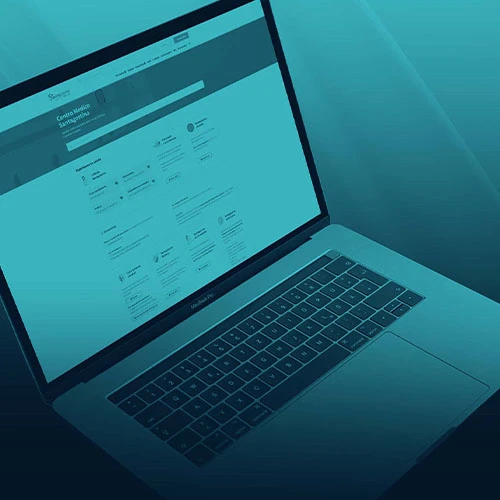

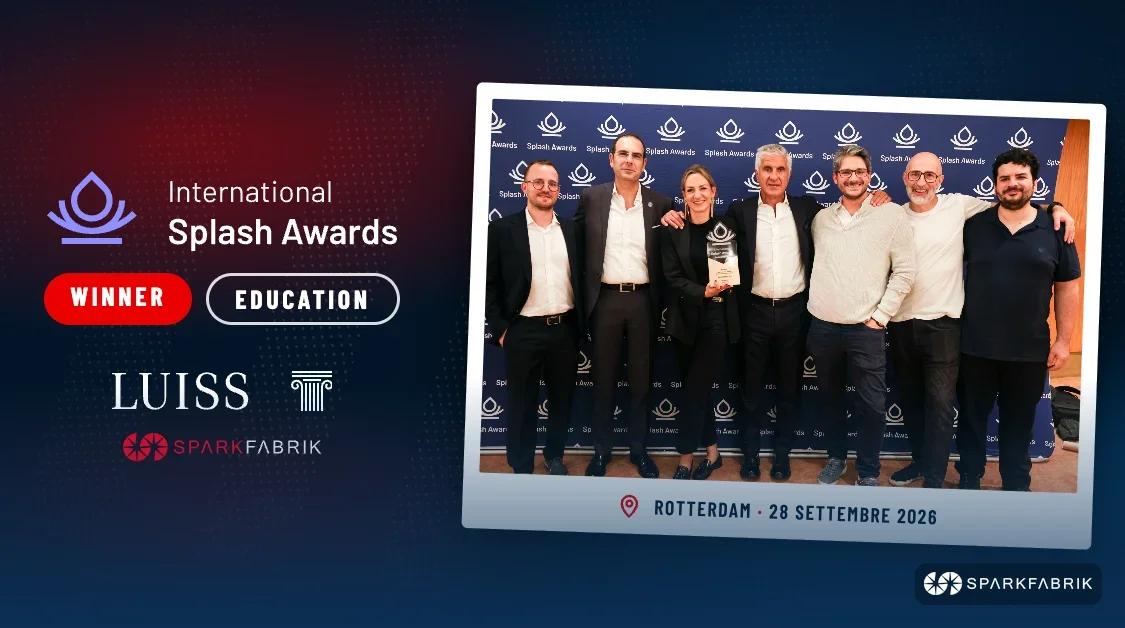
The corporate website of Università Luiss, which we built at SparkFabrik, won the International Splash Awards 2026 in the Education category: it is the first Italian project to achieve this recognition. One might expect a story about Drupal’s visual design and features. In the interview with the university team, however, the conversation was almost entirely about something else: the university community, the choice of open source, and the desire not to be locked into a vendor. The award goes to the website, but also to the decision behind it, namely how Università Luiss chose to govern its digital presence and how much autonomy it wants to preserve.
A university that chooses to be judged by its community
Università Luiss measures the award’s value by the experience of its community, and that is how we view it as well. Before being an achievement for the university or for our team, the award matters because of what it says about people. The university stated this clearly in the video interview:
I think this award is a great result for Luiss. It is truly important for a university to be able to be evaluated based on the digital experience of our students, our professors, our community, and our stakeholders.
Massimo Angelini, Chief External Affairs, Corporate Communication & Partnership Officer, Luiss Guido Carli
An institutional website is usually designed starting from what the university wants to say about itself: academic offerings, news, positioning. Università Luiss asked us to start from another, more difficult question: what happens to the community when they use the website. Students, faculty, and external stakeholders all access the same portal looking for different things. A student is looking for a deadline or a class schedule, a professor for tools to do their work, an external partner for the right contact to start a collaboration. These needs compete for the same space on the page. That is why the result must be evaluated both on the quality of communication and on the daily use made by three different audiences.
The second point is the one we dwelt on the longest: thanks to SparkFabrik and Drupal, Università Luiss was able to “completely change the concept” of its digital transformation for its broad community. In institutional projects, the request almost always comes in as “redoing the website,” and discussions quickly shift to layouts, menus, and colors. Luiss asked a different question: who is that interface for, and by what criteria should it be built.
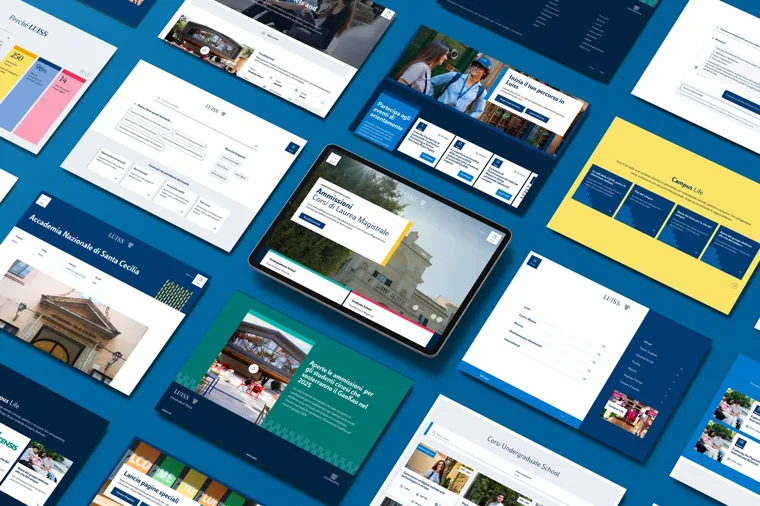
The platform we built for Università Luiss integrates two components: a design system and AI-powered search. A university speaks to diverse audiences. Because of this, the design system allows us to keep interfaces consistent and maintainable even as pages, sections, and the number of editors grow: this is the challenge that we addressed by discussing the intersection of design systems and Drupal. With AI-powered search, we focused instead on content access, helping visitors navigate the university’s wealth of information.
Together with Altura Labs, we also created a new information architecture, streamlining content. The leaner structure makes it easier to find and manage, including in multiple languages. Current and prospective students, faculty, researchers, families, and external partners look for different information and have distinct expectations. Reducing friction in navigation means ensuring that visitors do not have to piece together the university’s organizational chart just to find what they need.
The portal runs on a Cloud Native infrastructure, engineered for high performance and strict security requirements. The open source choice and digital sovereignty therefore extend to the infrastructure as well, rather than stopping at the CMS. When community needs evolve, the university must be able to decide how to evolve both the portal and the environment it runs on.
Choosing Drupal as a strategic decision: autonomy, freedom, no constraints
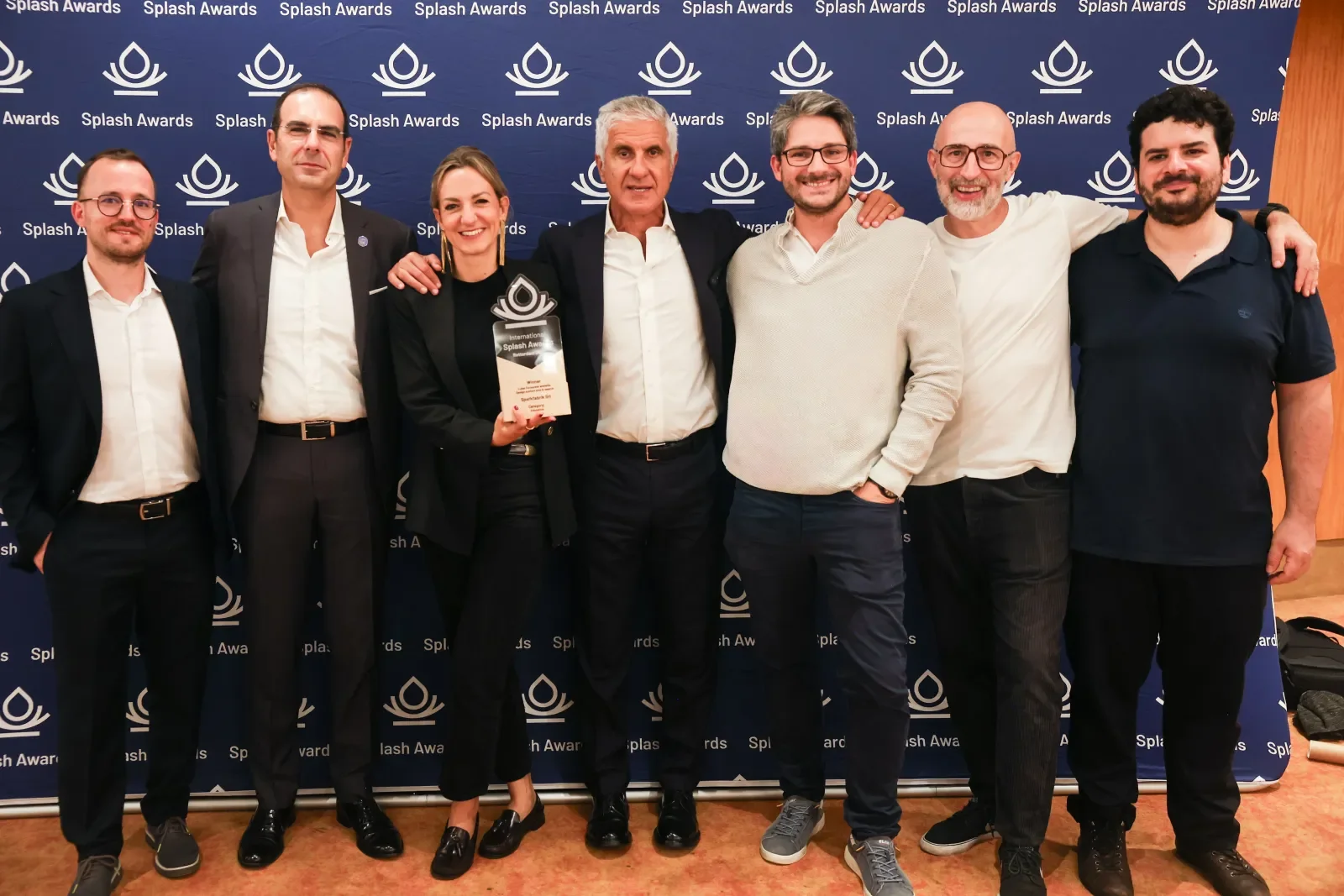
Together with the Università Luiss team, we considered Drupal a strategic choice from the very beginning: the open source model allows access to the code, the ability to modify it, and the freedom to choose who develops it. This freedom underpins the university’s digital sovereignty and mitigates vendor lock-in, because no single provider becomes indispensable, not even us. We discussed this with our colleagues from Università Luiss in the interview recorded at DrupalCon, right after the awards ceremony.
We chose an open source platform because we believe that autonomy, flexibility, and freedom from constraints allow us to improve our experience.
Francesco Amendola, Chief Digital Transformation Officer, Università Luiss Guido Carli
Features, performance, integrations, and delivery timelines are sufficient to evaluate software. A choice driven by digital sovereignty requires looking beyond delivery and asking: when the community requests a new service, will the university be able to decide for itself how to respond and with whom? Often, both assessments point to the same software. What changes is who needs to sit at the table, because the former only requires IT leadership, whereas the latter involves university leadership.
For a university, “no constraints” means maintaining control over data, code, and the platform’s evolution. Vendor lock-in limits this control when it makes switching to another vendor technically or financially prohibitive. Drupal is an open source project developed by a global community, backed by the Drupal Association, a non-profit organization that supports the project without directing its technical development. Code availability and a wide choice of partners allow the university to change vendors without necessarily having to replace the platform; the feasibility of a handover also depends on documentation, customizations, and access to configurations. This is the link between open source and data sovereignty, a technical possibility that the institution must turn into reality through contracts and governance practices.
Those who led the project for Università Luiss told us clearly that this freedom extends beyond IT. With open source applications, the university can rethink internal processes and how it presents itself to its community, and in both cases, being able to decide independently how to evolve the tools is what matters. The reason for the choice was autonomy, and cost savings never even came up in their account.
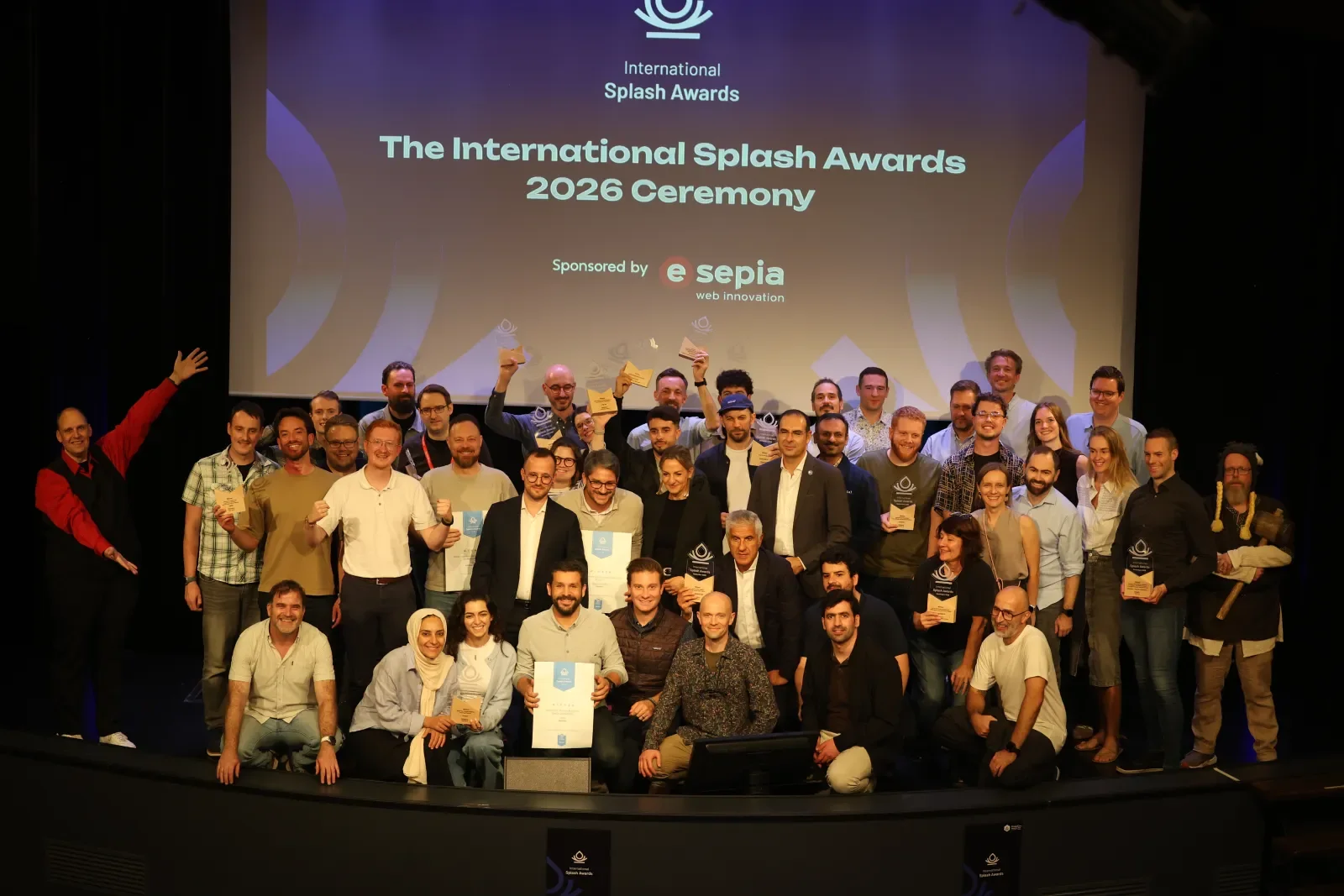
An award that highlights the digital transformation of one of Italy’s leading universities
The award recognizes, above all, Università Luiss’s digital strategy, which measures website quality by the experience of those who use it: students, prospective applicants, faculty, researchers, families, and external partners. For Massimo Angelini, the project we built together transformed how the university interacts with its community, and open source became the opportunity to rethink its processes and public image.
With Università Luiss, we saw Drupal translate this ambition into concrete choices. Francesco Amendola explains how the platform ensures autonomy, flexibility, and no lock-in, a step forward toward digital sovereignty.
With Università Luiss, once the platform was chosen, getting to the portal still required substantial work:
Fifteen months: according to Francesco Amendola, this was the duration of the joint work with Università Luiss leading up to the award-winning project. Drupal served as the foundation we built upon, not a shortcut to speed up delivery times.
The collaboration between Università Luiss, SparkFabrik, and Altura Labs. Silvia D’Angelo put it simply: code is only the beginning; then people matter. The credit goes to the teams who built the platform alongside us, not to the platform itself.
From design to artificial intelligence. Matteo Stendardi Turini emphasizes how broad and demanding the project was. Because of this, we see the recognition as an award for the Università Luiss portal as a whole, where we brought all these components together, rather than for a single Drupal feature.
Università Luiss’s open approach to technology and communication. Alessandro De Vecchi reminded us of both aspects: the university chooses open technologies and shares the work we create together. Sharing these projects with the community enriches the shared knowledge surrounding Drupal and offers other teams a concrete experience to build upon.

Key takeaways for rebuilding an institutional portal
For a digital manager, CIO, or CTO tasked with rebuilding an institutional portal, the most critical decision is made before the project even starts. It concerns the kind of experience the organization wants to be judged on, and who will retain control of the platform when community needs change. As a practical guideline, if the project specifications focus solely on features and timelines, and never on autonomy and freedom from constraints, the strategic choice has already been delegated to whoever provides the platform.
We share this recognition with the Drupal community, which made it possible. We detailed the work done alongside Università Luiss, from the design system to AI-powered search, in the case study dedicated to the Luiss project.

The interview after the award ceremony
Watch the short interview with the Luiss and SparkFabrik teams following the award ceremony in the video “Luiss University and SparkFabrik at the International Splash Awards 2026 – DrupalCon Europe Rotterdam.”