


The Lesson of the Coronavirus
The coronavirus emergency caused by Covid-19 paralyzed society and the global economy. And it forced, among other things, companies to invent a completely different way of operating. Even months later, with the arrival of the second wave, the topic of Digital Transformation remains as relevant as ever.
The experience was not the same for everyone and depended mainly on the level of digitalization of each individual company. Now, however, the risk is that the investments (both cultural and technological) needed to analyze, consolidate, and institutionalize what happened will not follow in order to make the company more resilient against future challenges.
It would be a mistake not to seize this opportunity, and it is precisely the responsibility of those in charge of digital strategy and digital transformation to work on capitalizing on the resilience demonstrated by companies and to accelerate. Let’s see what tools can help achieve this.
Starting from the Cloud
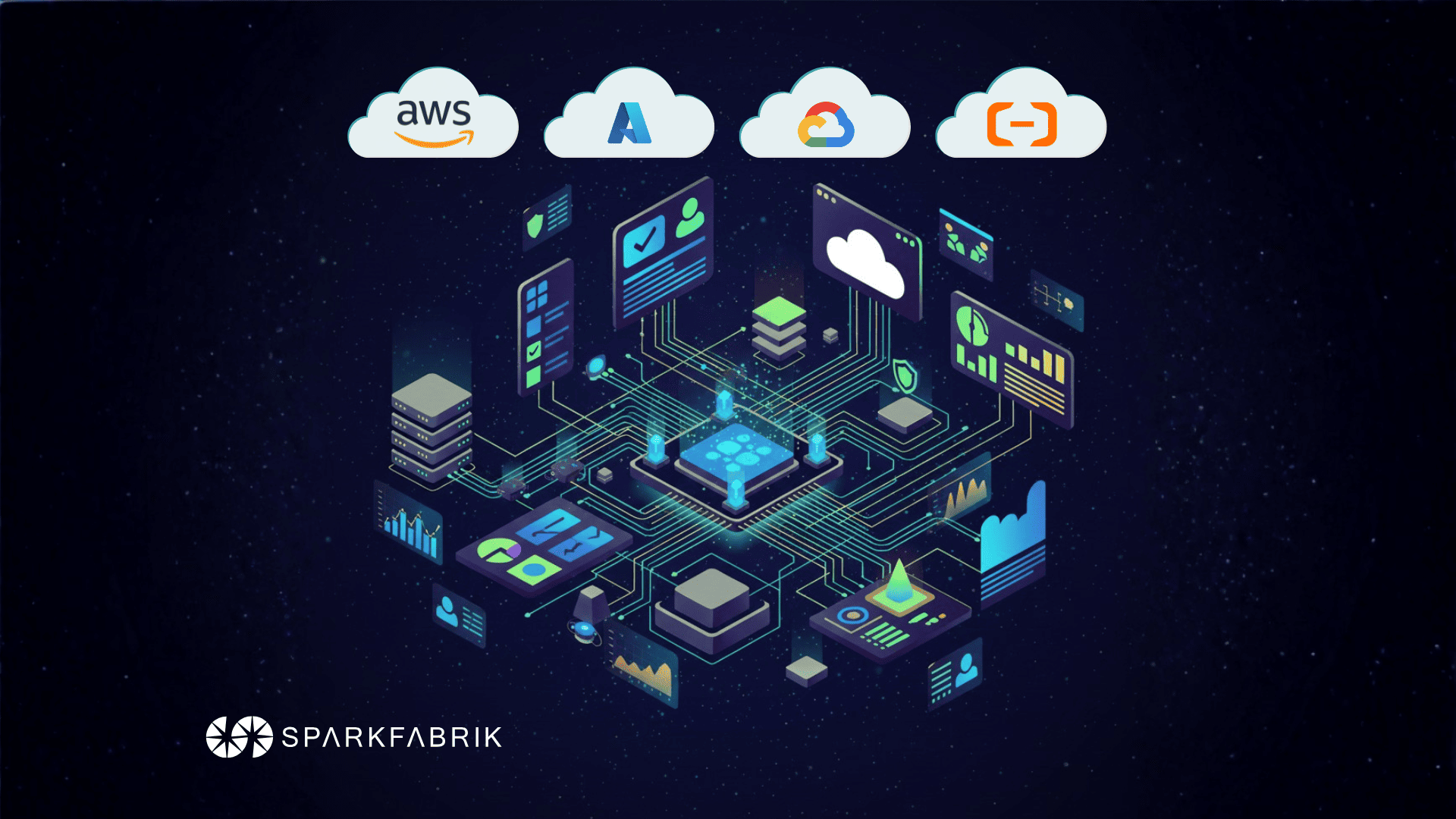
The first and most significant point is the IT architecture: which cloud to use or at least, which corporate assets to make available remotely. The keyword that companies need to learn now is “resilience” and those that can use digital channels and are equipped to securely handle these workloads have proven to be the most resilient. “Today,” said CTO Paolo Mainardi in an interview with Il Giornale, “we have room to maneuver that allows economies not to collapse under the weight of anomalies.” The important thing is to take advantage of them. And there is no better time to plan an articulated digital transformation because management is now certainly more sensitive to these topics.
The choice of architecture and service providers is fundamental: public cloud, private cloud, a form of hybrid cloud that allows using public cloud and on-premises services. Without forgetting to also evaluate the possibility of a multi-cloud solution. Whatever the case, the choice is based on technologies that have become key: cloud-native web applications, developed in serverless environments, with DevOps and SRE practices that allow companies to be more competitive both in terms of speed of implementation of new solutions and their modification or transformation.
Collaboration Tools Come Second
A good collaboration strategy starts with the design of processes and policies and only then moves to tools, not the other way around. It is now well known: in emergency situations, it is necessary to continue working remotely, but it is essential to understand how to do it and with what levels of flexibility and security.
Starting from the tool instead, that is, from the pre-packaged application, often leads to poorly or incompletely implemented solutions. That is why having a central vision with a clear idea of which tools to use for various internal and external activities is a crucial aspect. This does not mean closing the company to flexibility, but rather making it more flexible, secure, and resilient.
Also because, from Microsoft 365 to Google’s G Suite, collaboration tools had never received so much attention before. And new and more interesting ones are constantly emerging, perhaps born out of the need to compensate for the lack of internal tools. So, here is the long list of “new” tools: from GoToMeeting and Google Meet to Zoom, which became famous precisely thanks to the pandemic, from Cisco’s WebEx to BlueJeans, acquired by Verizon just a few days ago, testifying to the interest that IT and telecommunications giants are showing in this sector.
We all found ourselves participating in calls, meetings, and document sharing through one or more of these tools. Now it is necessary to find a logic for using them and therefore choose which ones are best suited to our needs. Especially considering that one of the most difficult requirements to evaluate from the end user’s point of view is data security, which IT professionals know how to assess better. And it is a part of the conversation that needs to be started as soon as possible.
The Most Important Thing Is to Design Processes and Build an Internal Mindset
Planning digital transformation today is an excellent opportunity to review internal processes and redesign them differently. The advice in this case is to strive to become paperless, which does not simply mean eliminating paper but also rethinking the form and flow of documents so that they make sense in digital format. It is also important to ensure the greatest possible simplicity in tool interfaces to reduce internal training and re-training costs, and to establish clear, shared rules about which tools can be used by which people in the company.
More broadly, digital transformation is not technological but cultural: technology is merely the enabling factor. But it is necessary to change the mindset and redesign processes. The intersection of the maturity of next-generation cloud technologies and the Coronavirus emergency is a tremendous opportunity to change the company mindset. Especially since the greatest resistance, that of employees, is at an all-time low because everyone has experienced for weeks what it means to use different, lighter tools.
Conclusion: The New Centrality of IT and Digital
IT has become the center of corporate life. In fact, as nearly 10 years ago the creator of Mosaic and Netscape and now venture capitalist Marc Andreessen said, “software is eating the world”, meaning all companies are also becoming software houses, whether they realize it or not. Failing to use technology, and above all not having the mindset to use it, is a competitive disadvantage that risks being critical to the very survival of companies.
“With the possibilities we have today,” says our CEO Stefano Mainardi, also speaking to Il Giornale, “organizations need to seize the full potential of digital by bringing enabling technologies, processes, and platforms into the company. And this is one of our main objectives: to explain that today every company is also a software company.”