


According to recent studies, the DevOps market exceeded 7 billion dollars in 2021 and is growing steadily. In this article, we dive into the heart of the DevOps methodology and try to understand why more and more companies are adopting its practices.
What is meant by DevOps Methodology
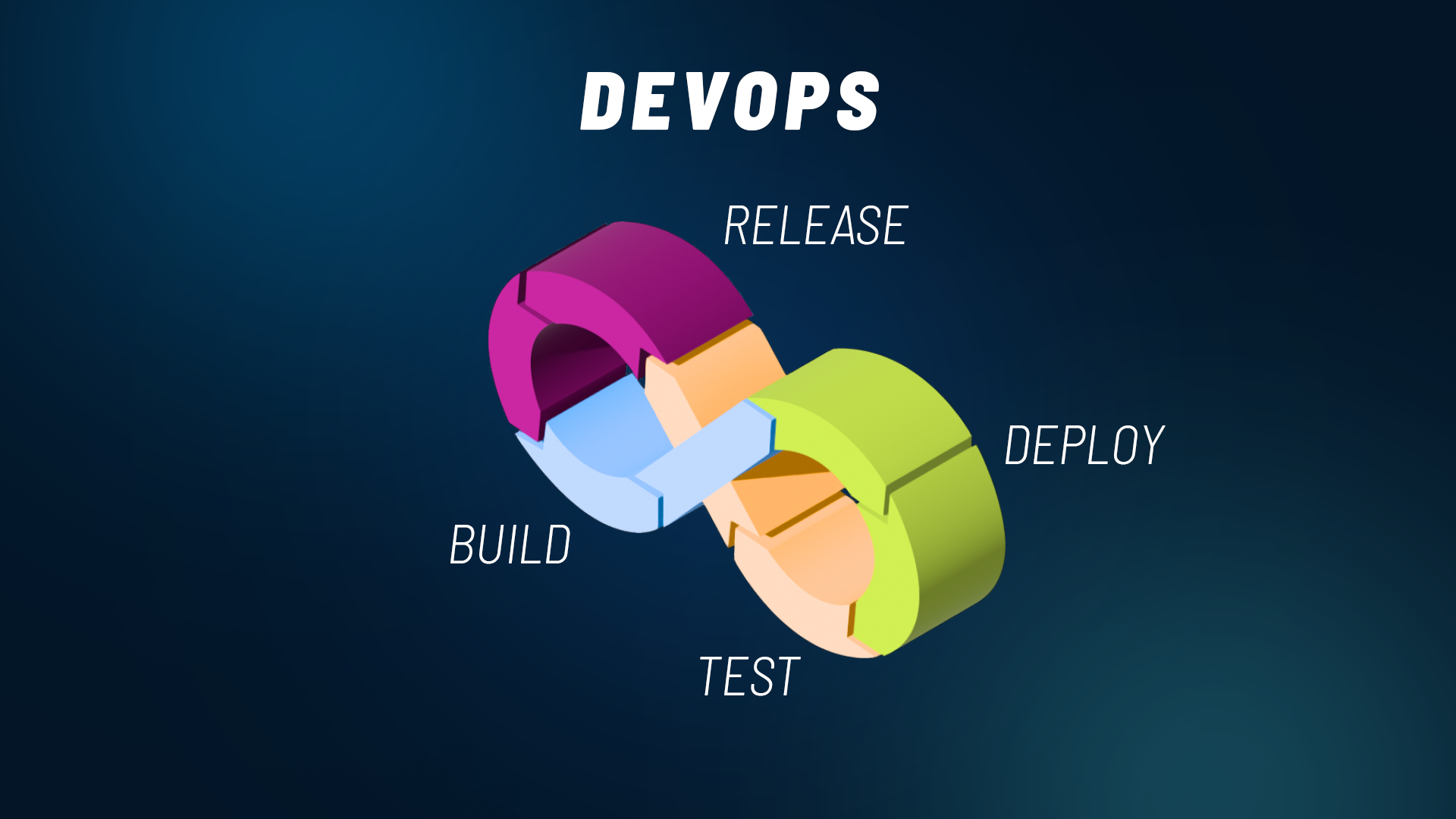
The DevOps methodology represents a new way of working where people, processes, and technology operate as a continuum with the goal of delivering value to the organization.
The term DevOps comes from the combination of Dev (referring to development/coding activities) and Ops (referring to the operation activities required by applications at various stages of delivery).
Although adopting DevOps procedures automates and optimizes processes through technology, it is the people who determine the success of the DevOps methodology. Those in management roles must introduce the DevOps culture without friction, while the people working across various teams must be open to change and willing to revamp their processes.
The principles of the DevOps methodology
Establishing a DevOps culture within a company requires deep changes in the way people work and collaborate, along with the shared adherence to a set of fundamental principles. Let’s look at them below.
Collaboration, visibility, and alignment
One of the key aspects of DevOps culture is the principle of collaboration between teams, which starts with workflow visibility. Different teams, such as those responsible for development and operations, must share their respective DevOps processes, priorities, and concerns. Teams must also plan work together and align on goals and success indicators tied to business outcomes.
Changes in scope and responsibility
Thanks to alignment, teams become involved in additional phases of the application development lifecycle, not just those strictly related to their respective roles. For example, developers become responsible not only for the innovation and quality of the development phase, but also for the performance and stability delivered by their changes in the operations phase. At the same time, IT operations managers must incorporate governance, security, and compliance into the planning and development phase.
Shorter release cycles
DevOps teams favor shorter release cycles. This simplifies planning and risk management because progress is incremental. Reducing the release cycle leads to a more stable system. Furthermore, it allows organizations to adapt and respond to evolving customer needs and competitive pressure.
Continuous learning
High-performing DevOps teams focus on growth. They fail fast and respond immediately to errors, incorporating lessons learned into their processes, continuously improving workflows, increasing customer satisfaction, and accelerating innovation and market adaptability.
For further reading, we recommend our comprehensive guide on the DevOps topic.
READ ALSO:
What is GitOps and when should you adopt its practices?
What is Infrastructure as Code and what are its benefits?
Why do development and operations teams need to collaborate?
Teams that manage to shift their mindset and adopt both the culture and the technological practices typical of the DevOps model are able to improve their performance. In other words, they can deliver greater value to their organization, both in terms of product evolution and in terms of improving existing features. Ultimately, companies that use development methods based on the DevOps methodology are better able to meet the needs of their customer base.
It is clear that the shift in mindset and processes directly impacts the organization’s competitiveness.
The key benefits of adopting the DevOps method are:
- Faster time-to-market
- Greater ability to adapt to the market and competition
- Greater product resilience and stability
- Improved ability, in case of failure, for the system to return to an operational state
Platforms and useful tools
There are various tools that help organizations adopt the DevOps model from a technological standpoint. Each tool brings its own advantages and disadvantages, along with features that are more or less relevant to a given organization. In this regard, Gartner has compiled a ranking of “Value Stream Delivery Platforms” — here is a selection of the most well-known tools supporting the DevOps methodology:
GitLab: a comprehensive DevOps platform with an Open Source license. It can potentially cover the entire DevOps workflow lifecycle: project planning, source code management, all the way to CI/CD and related monitoring.
Using the GitLab platform allows teams to speed up the DevOps cycle and increase developer productivity. Developers can take advantage of very useful features such as metrics and insights, planning tools, and branching tools — you can find a complete list of the best features in our article dedicated to DevOps tools.GitHub: a SaaS cloud-based platform for a collaborative approach to code management. In this case too, it is a useful tool for managing the entire software lifecycle. Its evolution, GitHub Enterprise, is designed for the needs of large companies. In addition to code management features, it provides a feature called GitHub Actions that allows you to implement CI/CD for your applications.
Microsoft Azure DevOps: a Microsoft suite that provides teams of all sizes with all the tools they need to plan, collaborate, and deliver software. Being a suite, it includes specialized products to support the end-to-end software lifecycle and release, such as Azure Repos, Azure Pipelines (CI/CD engine), Azure Boards, Azure Test Plans (automated testing features) and Azure Artifacts.
READ ALSO:
From DevOps to DevSecOps
DevOps culture offers advantages in terms of speed and quality, but it does not guarantee that the value produced complies with modern security standards. Security is now a central concern, and this is where a new framework comes in: DevSecOps.
DevSecOps extends the idea behind DevOps and removes the separation between security teams and DevOps teams. In this way, it further optimizes the DevOps strategy by automating security and implementing it at scale.
The goal is to shift security activities throughout the development lifecycle and provide security practices integrated into the CI (Continuous Integration) pipeline. DevSecOps brings together development, security, and operations, and is one of the strategies we explored in depth in the free ebook Guide to Cloud Native Security.
The future of the DevOps market
According to a study published in March 2022, the size of the DevOps market exceeded 7 billion dollars in 2021 and is expected to grow by over 20% from 2022 to 2028. This indicator shows how both technological evolution and the change in the way we work post-pandemic have driven development methods increasingly aligned with the DevOps methodology.
And while the study focuses on the market — meaning the growing adoption of DevOps tools and platforms — the cultural aspect remains essential for the evolution of companies. This is confirmed by data released by the Research Innovation Council. The council of the nine DevOps giants (including Microsoft and CloudBees) revealed that approximately 40% of organizations believe the biggest obstacle in managing the technological challenges imposed by COVID-19 was the lack of agile culture (closely linked to DevOps).
In other words, DevOps/Agile culture helps achieve the cross-team collaboration essential for tackling technological challenges. Many companies seem to have learned this the hard way during the health emergency.
READ ALSO: Digital Transformation and resilience: the lesson from Coronavirus.
How to adopt the DevOps model in your company
Bringing the DevOps methodology into your company is not easy, even though it is worth it. This is also confirmed by the study we cited in the previous paragraph, in which companies, when asked about the difficulties in adopting the DevOps approach, reported that the complexity of implementation is one of the main obstacles.
That it is not a walk in the park is intuitively understandable. After all, how do you simultaneously introduce a new company culture, a different way of working, and a new technology stack?
There is no one-size-fits-all answer for organizations of different sizes and contexts. However, there are well-established best practices and guidelines that can help us along this new path.
If you are interested in bringing the DevOps methodology into your business context, you could start by reading the article DevOps best practices to adopt right away in your company. And then, why not take advantage of a free call with a DevOps framework expert to go deeper.