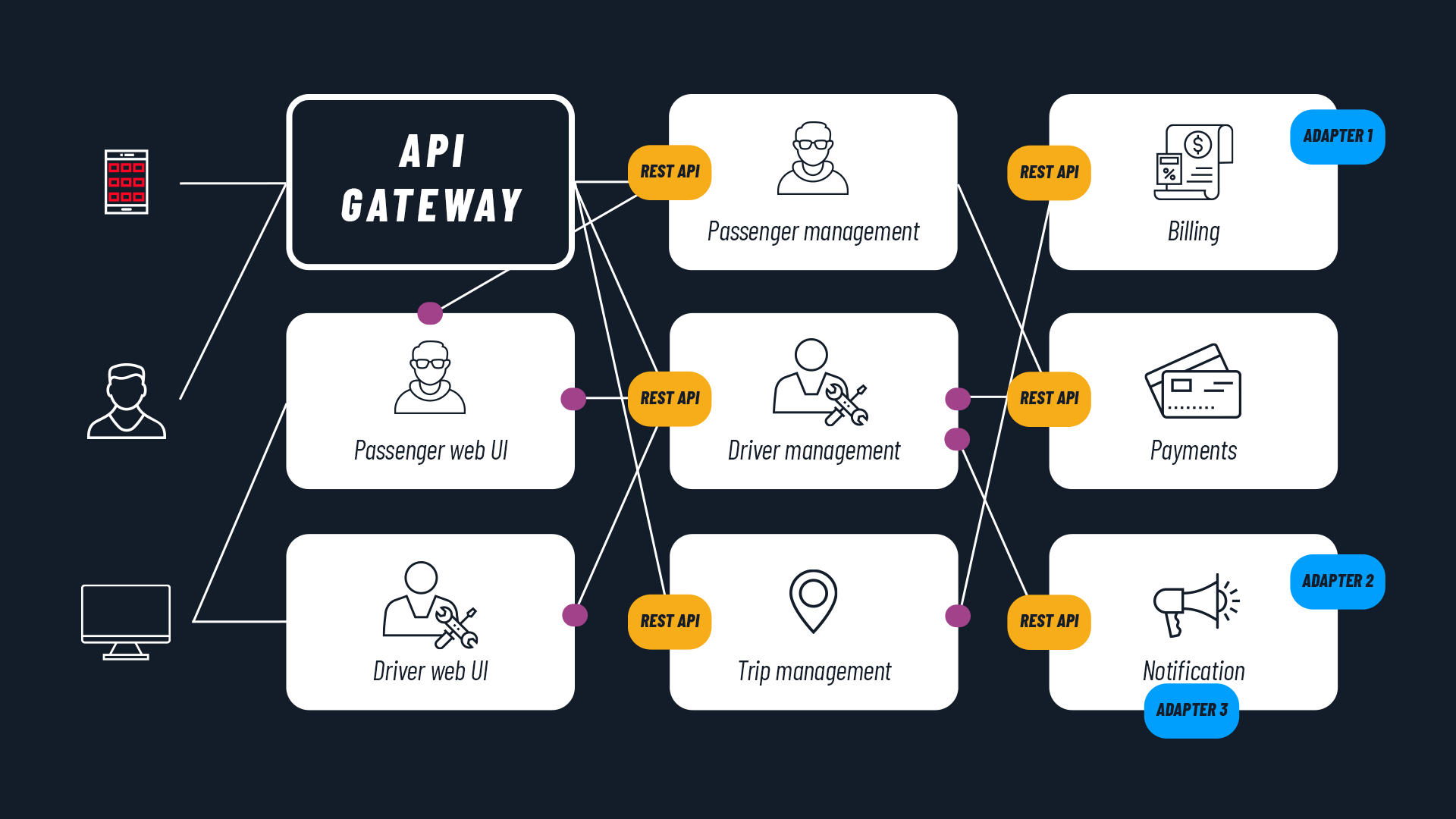



The use of containers and the Kubernetes orchestrator is an increasingly widespread technique in software development, thanks to a number of significant benefits. Among the advantages are:
- a drastic reduction in development and release times;
- IT cost optimization through automation and dynamic resource allocation;
- application scalability, ensuring support and availability during peak loads;
- flexibility of use in multicloud environments;
- an acceleration of application modernization projects.
Below are three real-world examples that demonstrate the opportunities arising from the adoption of containers and Kubernetes.
Primerica, Release Speed and Software Quality
Primerica, a financial and insurance services company, implemented Kubernetes within the private cloud provided by IBM and based on Nutanix hardware, with the goal of consolidating its application portfolio. As stated by the company, the use of containers with Docker promotes software consistency and portability in a multicloud environment, simplifying the migration of the company’s technology stack from an on-premise solution to a hybrid cloud.
Thanks to containers, traditional applications developed over several decades can continue to run in the new information ecosystem, thus preserving previous investments. Containers also support corporate strategies that involve the adoption of microservices and APIs for designing new applications, accelerating the release of business-required features.
Kubernetes makes it possible to automate many operations related to the development and management of containerized applications, eliminating human error and improving software quality. The combination of Docker and Kubernetes also allows you to verify the correct functioning of applications and their hosting environments, ensuring monitoring and control.
According to Primerica, the main result achieved from adopting containers and Kubernetes lies in the ability to deliver higher-quality applications more quickly, with the added possibility of rapidly scaling resources during periods of higher load.
IT teams are experimenting with agile development techniques based on small incremental releases that speed up deployments. However, as Primerica suggests, the shift is not trivial and requires adaptation from a cultural, organizational, and skills perspective, which is supported through training and the adoption of methodological best practices.
Spotify, Automated Provisioning and Scalability
Launched in 2008, Spotify, the streaming music giant with over 200 million monthly active users, is often cited among the pioneers and prominent examples of containerization. As early as 2014, the company was using Docker and microservices-based applications within a virtualized on-premise environment. The orchestration platform adopted at the time was Helios, an internally developed solution based on open-source technologies, which required continuous effort from a dedicated team to update its features.
In 2017, Spotify completed the migration of its information systems from the local datacenter to Google Cloud and decided to switch to Kubernetes, both to take advantage of its large and vibrant developer community and to contribute to the platform’s progress through its own experience.
The adoption of Kubernetes began in late 2018 and is currently ongoing. The ability to use Helios and Kubernetes simultaneously during the transition period allowed Spotify to mitigate risks, proceeding with a gradual migration and validating the use of the new platform step by step.
The benefits were evident from the very first containerized applications moved to Kubernetes: many manual provisioning operations were automated, and the development team gained time to dedicate to building new features. The largest service currently running on Kubernetes handles approximately 10 million requests per second and greatly benefits from the auto-scaling provided by orchestration capabilities.
An additional advantage relates to release times: previously, teams had to wait an hour to create a new service and obtain a production environment to run it; with Kubernetes, the same process takes seconds or a few minutes. Finally, thanks to Kubernetes’ multi-tenancy properties, Spotify can optimize IT resource usage: CPU utilization has improved on average by two to three times.
Caleffi, Support for Multi-Country Strategies
An Italian example of excellence in the use of containers and Kubernetes comes from Caleffi Hydronic Solutions, a leader in the production of components for heating, air conditioning, plumbing, and renewable energy systems. The company operates in over ninety countries worldwide, with a workforce of approximately 1,300 employees distributed between its national headquarters and foreign branches. In 2019, revenue reached 326 million euros.
Over the years and within a fruitful collaboration, the company developed a long series of projects with SparkFabrik, including the creation of a multi-country software platform based on Drupal for managing the corporate website.
The initial step involved migrating the application infrastructure to the cloud; specifically, the choice fell on Google Cloud Platform, primarily because it offers native support for Kubernetes to orchestrate Docker containers. The project was carried out following the best practices of the The Twelve-Factor App methodology, which aims to build software delivered as-a-service.
The solution was designed by SparkFabrik to ensure maximum application portability and flexibility in multi-cloud environments, providing effective support for corporate expansion strategies. A growing business must be built on a performant and scalable information ecosystem that guarantees operational continuity and cost optimization. The Cloud proves to be the winning option, provided that the application portfolio is designed with a Cloud Native approach and optimized to run in heterogeneous environments, and that cloud providers are chosen that guarantee interoperability and support for the most modern container technologies.
When Caleffi decided to strengthen its digital presence in China, Alibaba Cloud emerged as the ideal partner: it natively supports Kubernetes for container orchestration and benefits from the support of Terraform, effectively the open-source standard that allows you to describe, plan, create, update, and maintain your cloud infrastructure by versioning it as code.
In conclusion, the advantage of having an application already developed with a cloud native approach based on Docker containers and microservices effectively simplified the infrastructure setup operations and all deployment procedures in China. The use of Kubernetes, by automating container orchestration, provided further acceleration to the project and application management procedures, with the benefit of optimizing time-to-market and maintenance costs.
Containers and Kubernetes: Increasingly Widespread
The cases described provide three exemplary instances of container and Kubernetes usage, but the landscape of companies that have successfully adopted new application development methodologies and the orchestration platform is vast.
According to a global survey by Portworx and Aqua Security, in 2019 87% of companies were using containers, compared to 55% in 2017. 451 Research predicted that spending on application containerization technologies would reach $4.3 billion by 2022, nearly double compared to 2019 ($2.126 billion), registering an average annual growth rate of 30% since 2017.
In short, the advantages of containers, especially in combination with Kubernetes, are now clear, and companies are increasingly eager to seize the opportunity.